Almost every leadership team now has an AI ambition. Far fewer have a plan that survives contact with real data, real budgets, and real users. That gap is why spending on outside expertise keeps climbing: Technavio, in a report published in October 2026, expects the AI consulting market to grow by $43.17 billion between 2026 and 2030, at a CAGR of 26.9%. Choosing the right partner has become a serious decision too, with Forrester now running multi-month evaluations of the largest AI consulting providers.
The right partner does more than hand over a slide deck. It finds the use cases worth funding, checks whether your data can support them, proves the idea quickly, and leaves you with a roadmap your team can actually execute. We compared providers of AI consulting services on pricing, delivery depth, and analyst recognition to shortlist five that fit very different budgets and company sizes.

An AI chatbot typically costs $12,000 to $20,000 for a proof of concept and $30,000 to $60,000 for a production chatbot that answers from your own data. Agentic chatbots that take actions in your systems cost more, and every chatbot adds monthly usage and hosting costs.

There is no single best AI agent framework. LangGraph suits complex, stateful business workflows; CrewAI suits fast role-based multi-agent builds; Microsoft Agent Framework suits Microsoft-centred enterprises. Pick based on your workflow complexity, language stack, model choice, and need for human approval steps.

Customer support is changing faster than most help desks can keep up with. Gartner predicts that by 2029, agentic AI will resolve 80% of common customer service issues without a human stepping in, cutting operational costs by roughly 30%. The money is following the same curve: Grand View Research expects the global chatbot market to reach $27.29 billion by 2030, growing at a 23.3% CAGR. Teams that once treated a chatbot as a website widget now see it as their first line of support, sales, and internal knowledge.
The hard part is not deciding to build one. It is picking the partner who can ship a bot that answers from your own data, hands off to humans at the right moment, and does not invent answers in front of customers. We reviewed 100+ vendors offering AI chatbot development services and shortlisted five that combine verified client feedback, real conversational AI delivery, and transparent pricing.
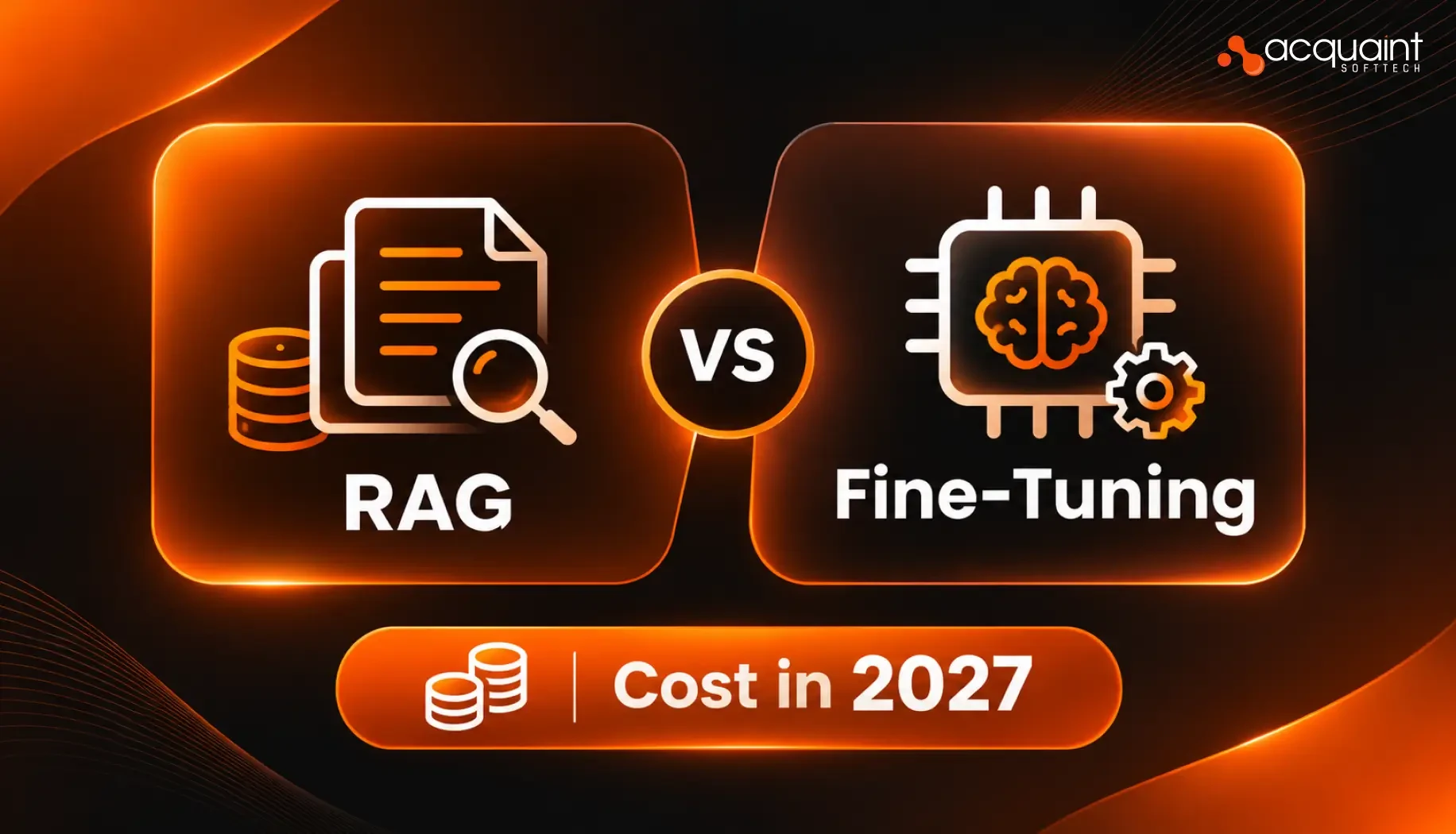
Choose RAG when the AI must answer from your own, changing business data; choose fine-tuning when it must follow a strict format, tone or specialist language. RAG changes what the model can see, fine-tuning changes how it behaves, and most businesses should start with RAG.

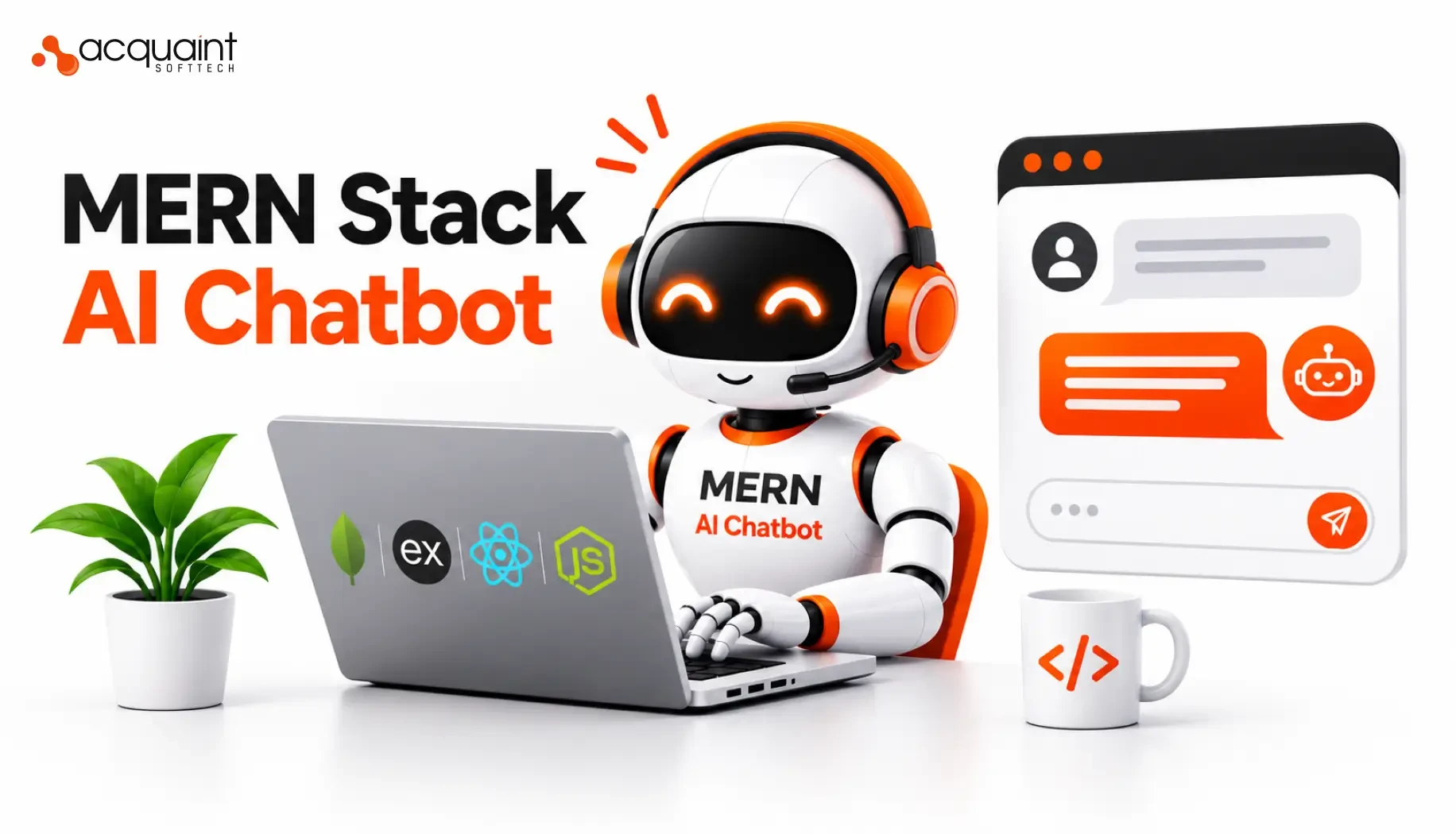
To build an AI chatbot with the MERN stack, store your content and its embeddings in MongoDB, build an Express API on Node.js that retrieves relevant content and calls a language model, and build a React chat interface that streams the answers. Add guardrails, testing and monitoring before launch.

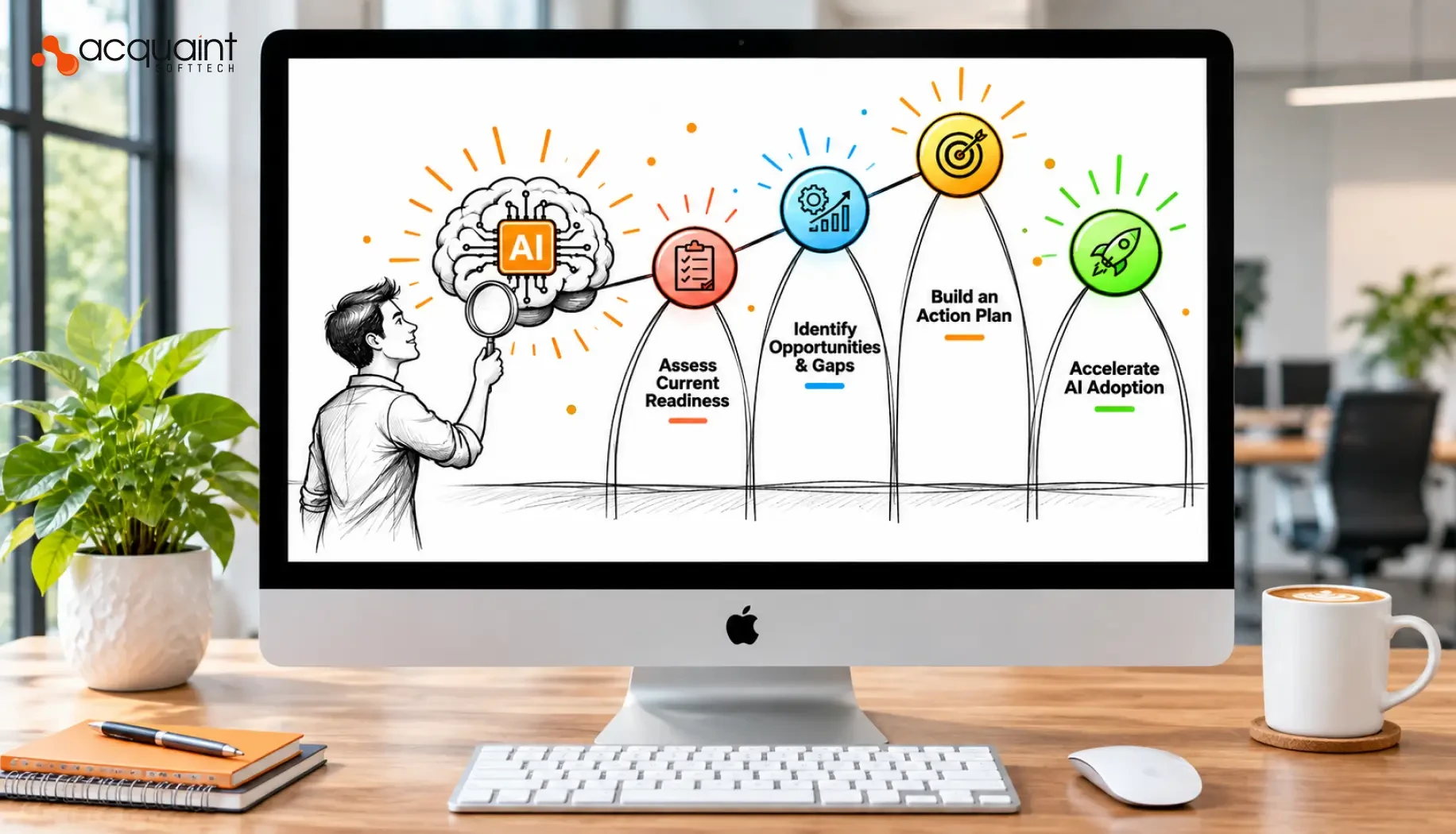
An AI readiness assessment checks whether your business has a clear use case, usable data, connectable systems, the right people, governance, and budget before you start an AI project. It usually takes 2 to 4 weeks and ends with ranked use cases and a phased AI implementation roadmap.
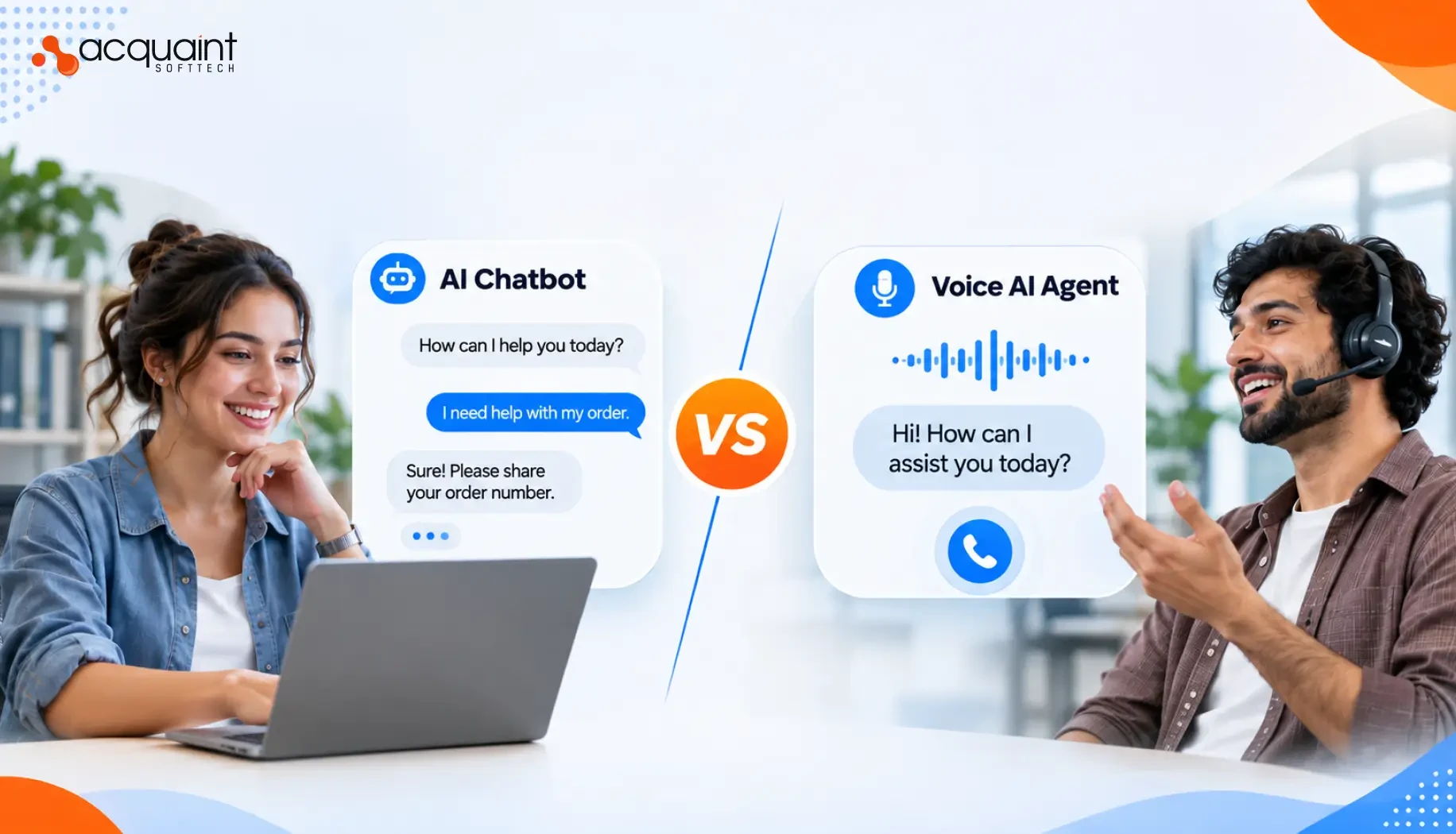
An AI chatbot works better for web, app, and messaging support where answers include links, steps, or records; a voice AI agent works better for phone calls and customers who cannot type. Neither is better overall, and most businesses get the best results running both from one knowledge base.
An AI engineer builds products on top of existing AI models, such as chatbots, copilots, and agents. An ML engineer builds, trains, and maintains custom models on your own data. Hire an AI engineer for LLM features and an ML engineer for predictions, scoring, or recommendations from your data.