
With over 11 years of experience in web application development and project management, I excel in leading cross-functional teams to deliver innovative digital solutions. My expertise spans eCommerce platforms, ERP systems, and JS & PHP-based frameworks, including WordPress, React JS, and Laravel. As a Technical Project Manager, I specialize in strategic planning, system design, and end-to-end project execution, transforming complex ideas into scalable, high-impact applications.
To add e-prescribing to a telemedicine platform, integrate a certified e-prescribing API (such as DoseSpot in the US or the NHS Electronic Prescription Service in the UK), verify each clinician's identity, sync patient data, route the script to the pharmacy, and log every action. Add two-factor sign-off for controlled substances and meet HIPAA or GDPR for your region.
Automated tenant provisioning is the foundational process of programmatically setting up databases, user roles, infrastructure, and configurations for new customers in a multi-tenant Software-as-a-Service (SaaS) application. Done well, it replaces manual account setup that once took days with a repeatable pipeline that brings a new tenant live in minutes, with strict data isolation and zero human touch.
Employee onboarding automation uses software to guide a new hire through a structured Day-1 to Day-90 learning journey without manual chasing. It triggers the right training, tasks, and check-ins at each stage, tracks completion, and alerts managers when someone falls behind. Instead of a chaotic first week, every hire follows a consistent path from orientation to full productivity.
A HIPAA risk assessment is a required evaluation of risks to electronic protected health information (ePHI) in your application. It identifies threats, assesses security controls, prioritizes risks, documents remediation, and should be reviewed annually to maintain HIPAA compliance.
Building an InsurTech startup means moving through four phases: validating the idea and choosing a regulatory model, building a focused MVP, securing capacity and launching with paying customers, and scaling distribution. The biggest early decision is whether to launch as a Managing General Agent, which is faster and lighter on capital, or a full-stack carrier, which needs large reserves. A production InsurTech MVP for one product in one market typically costs $220,000 to $450,000 and takes 9 to 14 months.
Building an on-demand startup means moving through clear stages: validate the idea, define a lean MVP, choose the right stack and team, build and launch, reach liquidity, then scale. The fastest path is a focused MVP that proves real demand in one niche before adding features or expanding to new markets.
To build an EdTech startup, validate the learning problem, build a focused MVP, and scale after achieving product-market fit. Successful startups test demand before investing in full development.
To validate a fintech idea, test customer demand, willingness to pay, market gaps, and regulatory feasibility before development. This process typically takes 4–8 weeks and helps avoid building a product without market demand.
To validate a SaaS idea before writing code, you test four things in order: that the problem is real and painful, that a specific audience has it, that there is genuine demand, and that people will pay. You do this with customer interviews, a landing page, and a no-code or concierge MVP, not by building software. The goal is evidence that people want and will pay for the solution. Roughly 42% of startups fail because they build products nobody wants, and validation is how you avoid becoming one of them.
Insurance compliance software is the controls, processes, and audit infrastructure that let an InsurTech platform meet the regulations governing insurance data and operations. The core frameworks are IRDAI in India, NAIC model laws in the US, GDPR in Europe, HIPAA for health data, and SOC 2 for security assurance to partners. Compliance is not a feature added at the end; it is architecture built from the first sprint, and SOC 2 Type II alone requires 12 or more months of continuous evidence.
Building an e-commerce startup means validating the idea before writing code, launching a focused MVP with only the core features, then scaling based on real customer data. The proven path is: validate with 50-plus potential buyers, build an MVP in under 90 days, and iterate from feedback. Startups that launch an MVP in under 90 days see roughly 3 times higher survival rates, and building an MVP first can cut the failure rate in half.
To build a travel tech startup, validate your idea, build a lean MVP, and launch based on real user feedback. Most travel MVPs take 2–4 months and start at $20,000 with an offshore team.
To build a logistics tech startup, validate the idea with real users first, scope a lean MVP around one painful workflow, pick a scalable stack, and launch in 3 to 6 months before spending on extras. A focused MVP costs roughly $40,000 to $60,000 and survives far better than a year-long build that nobody asked for.
Validating a HealthTech startup idea before development helps reduce risk, confirm market demand, and ensure regulatory readiness. A structured validation process allows you to refine your MVP and avoid costly mistakes later.
SOC 2 Type II is an independent audit, defined by the AICPA Trust Services Criteria, that verifies a SaaS company's security controls actually work over a period of time, usually three to twelve months. Unlike Type I, which checks that controls exist at a single point, Type II tests that they operate consistently. The core technical controls a SaaS product must implement are role-based access control, encryption at rest and in transit, comprehensive audit logging, change management, vulnerability management, and continuous monitoring, all producing evidence the auditor can review.
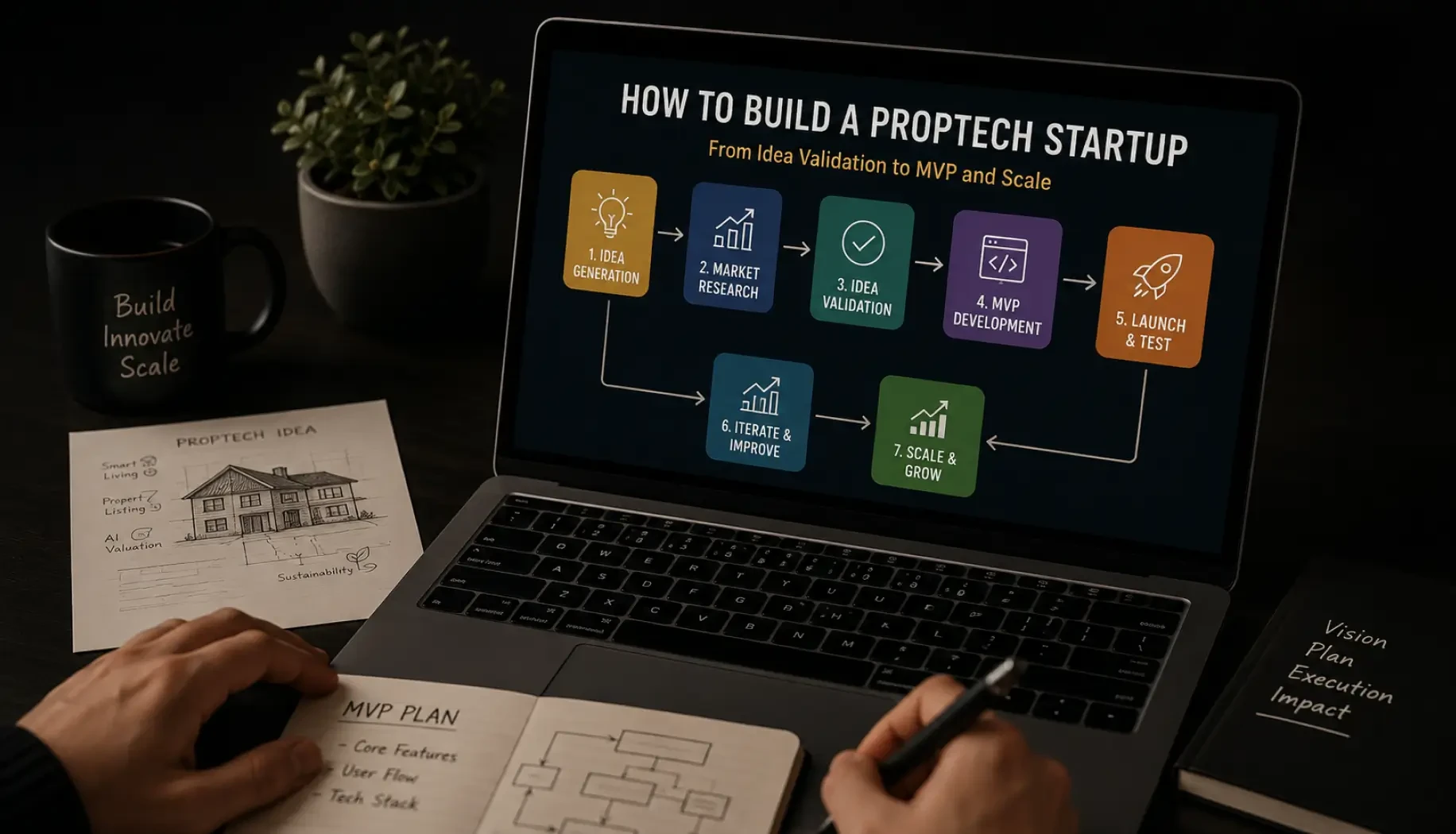
To build a PropTech startup, validate the property problem with real users before writing code, then build a lean MVP that solves one core problem well, launch it to a small market to gather real usage data, and scale only after the data proves demand. The sequence is validate, build MVP, measure, then scale.
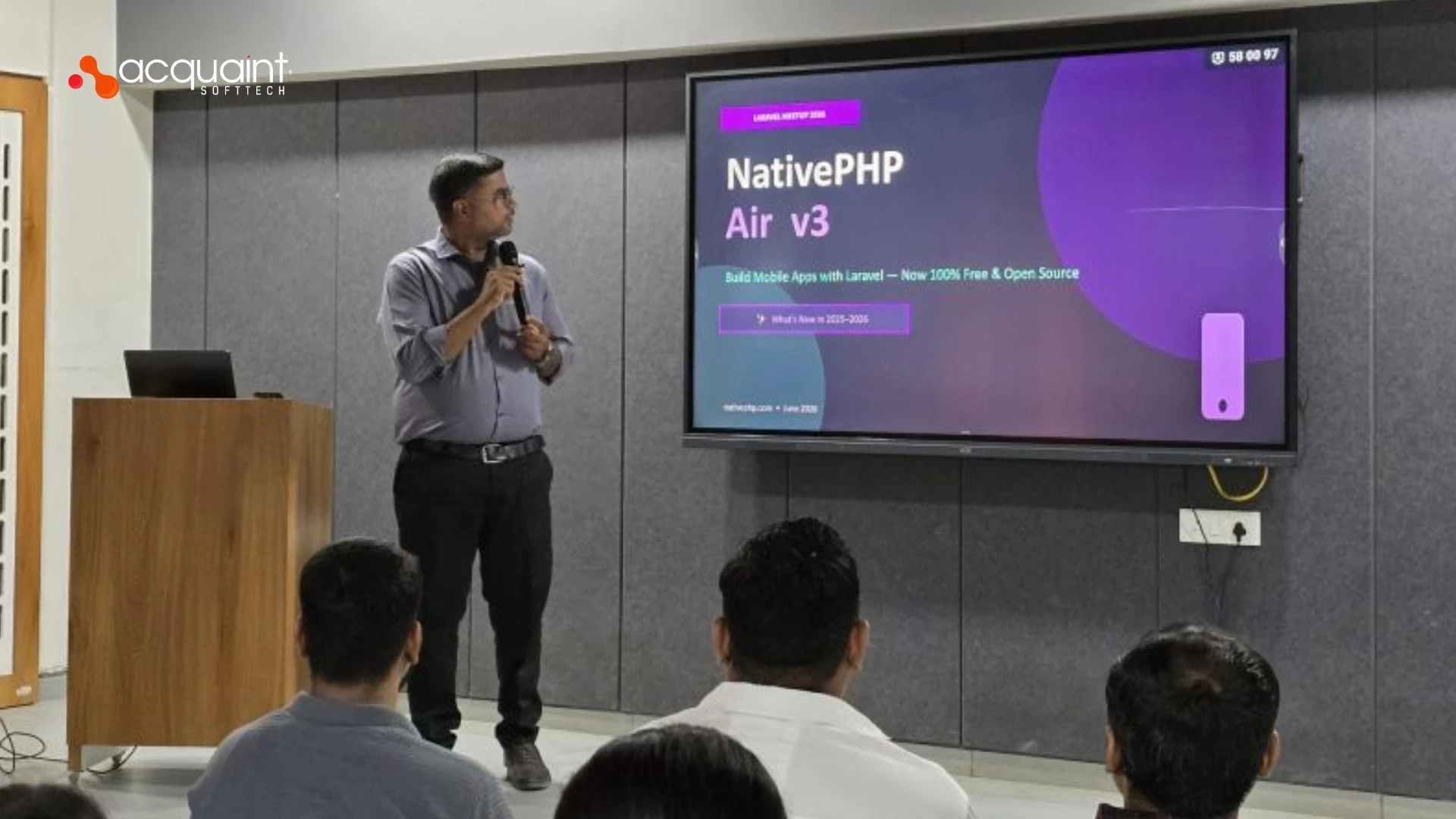
A first-hand reflection from the Laravel Ahmedabad Community Meetup on NativePHP Air v3, and why Laravel teams can finally ship native mobile apps without leaving the stack they already know
The MEAN stack is evolving in 2026 with stronger TypeScript support, improved Angular performance, enhanced Node.js scalability, and advanced MongoDB indexing.
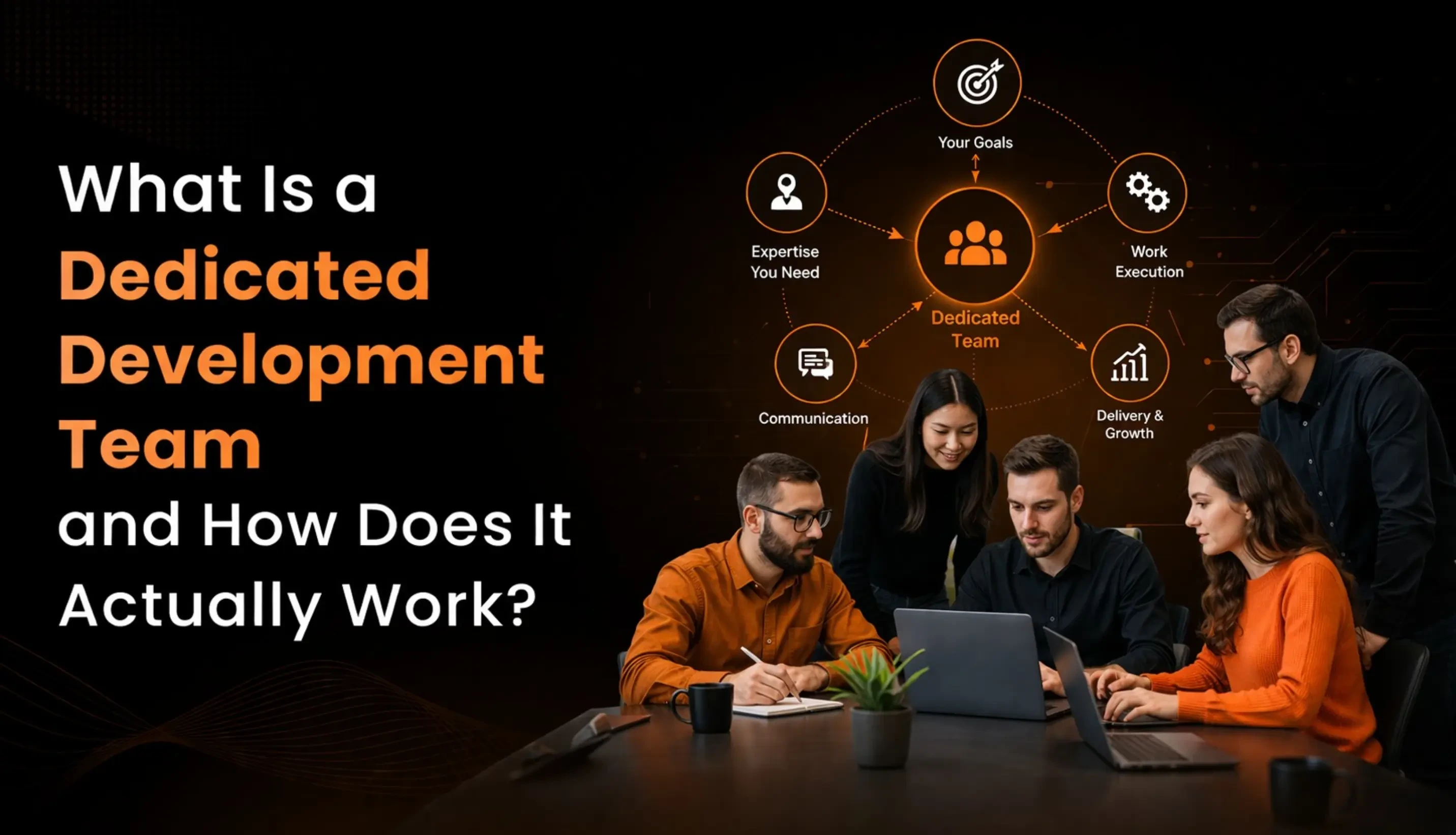
A dedicated development team is not a bigger staff augmentation engagement. It is a different accountability structure entirely. Here is exactly what it includes, what it costs, and how to know if it is the right model for your product.
The stack debate in 2026 is not about which framework is technically superior. It is about talent depth, hiring cost, and ecosystem maturity against your runway. Here is the real comparison.
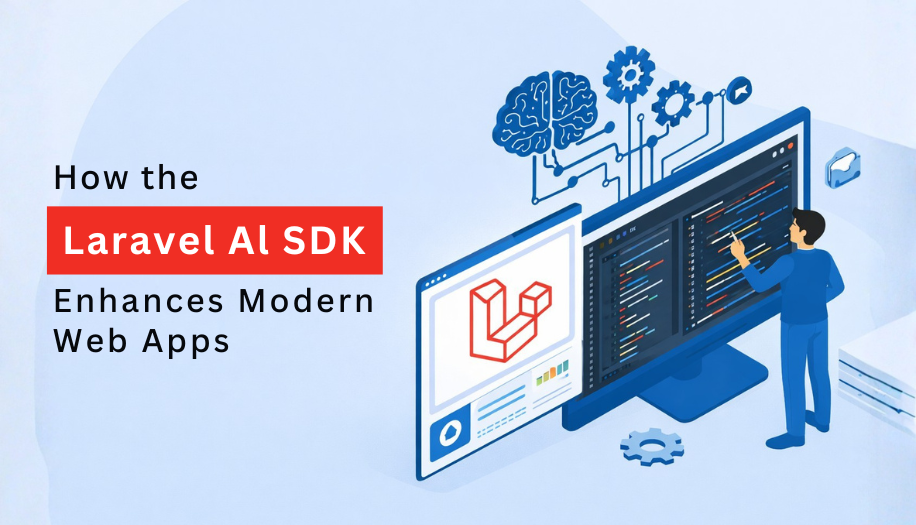
The Laravel AI SDK is Laravel's official first-party package that enables developers to build AI-powered web applications using a single, unified API.
Laracon India 2026 confirmed Laravel’s transformation into an AI-native, enterprise-ready application platform. With the launch of the Laravel AI SDK, free NativePHP mobile tooling, and a strong focus on scalability, DevOps, and security, Laravel is now a strategic choice for startups and enterprises alike. For organizations outsourcing development, partnering with experienced Laravel teams is the key to turning this innovation into real ROI.
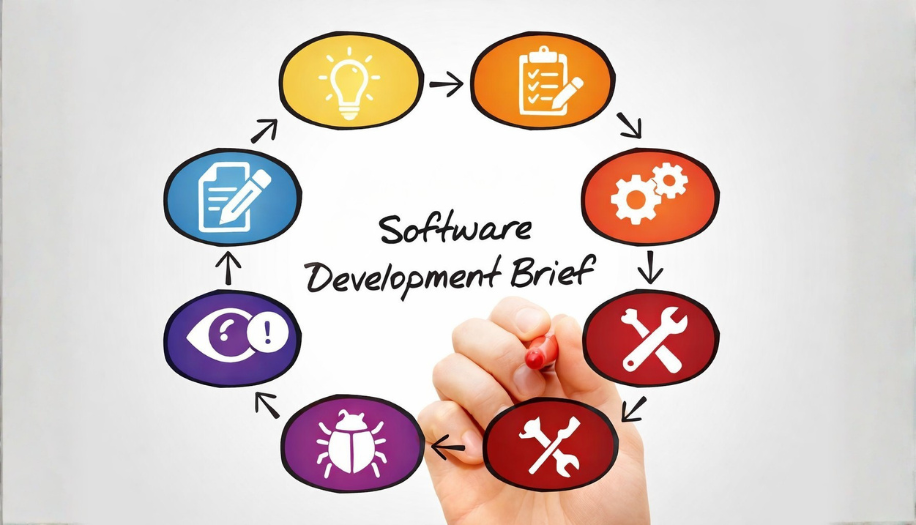
The brief that says 'we need a web application' gets 30 proposals ranging from $15K to $400K. The brief that defines scope precisely gets 5 comparable ones. The difference is 7 specific sections most briefs are missing.
Gas prices at $3.84/gal and rising? The USA carpooling market is exploding. Learn why a Laravel-powered Uber clone is the strategic move for founders in 2026.




.webp "Building an InsurTech Startup: MVP Roadmap, Regulatory Strategy, and Go-to-Market")
.webp "How to Build an On-Demand Startup: From Idea to MVP to Scale")
.webp "How to Build an EdTech Startup: From Idea Validation to MVP and Scale")
.webp "How to Validate Your FinTech Idea Before Building Anything")

.webp "Insurance Compliance Software: IRDAI, NAIC, GDPR, HIPAA, and SOC 2 for InsurTech Platforms")

.webp "How to Build a Travel Tech Startup: From Idea to MVP to Scale")



.webp "PHP vs Python vs Node.js for SaaS in 2026: The Stack Decision You Make Before You Hire")