
Building an online marketplace means creating a platform where many independent vendors sell to many buyers, while the operator owns the infrastructure and earns from each transaction.

A D2C brand platform is a custom-built digital infrastructure that lets a brand sell directly to consumers without retail intermediaries, combining a branded storefront, subscription engine, loyalty module, customer data layer, and fulfillment system in one owned technology stack.
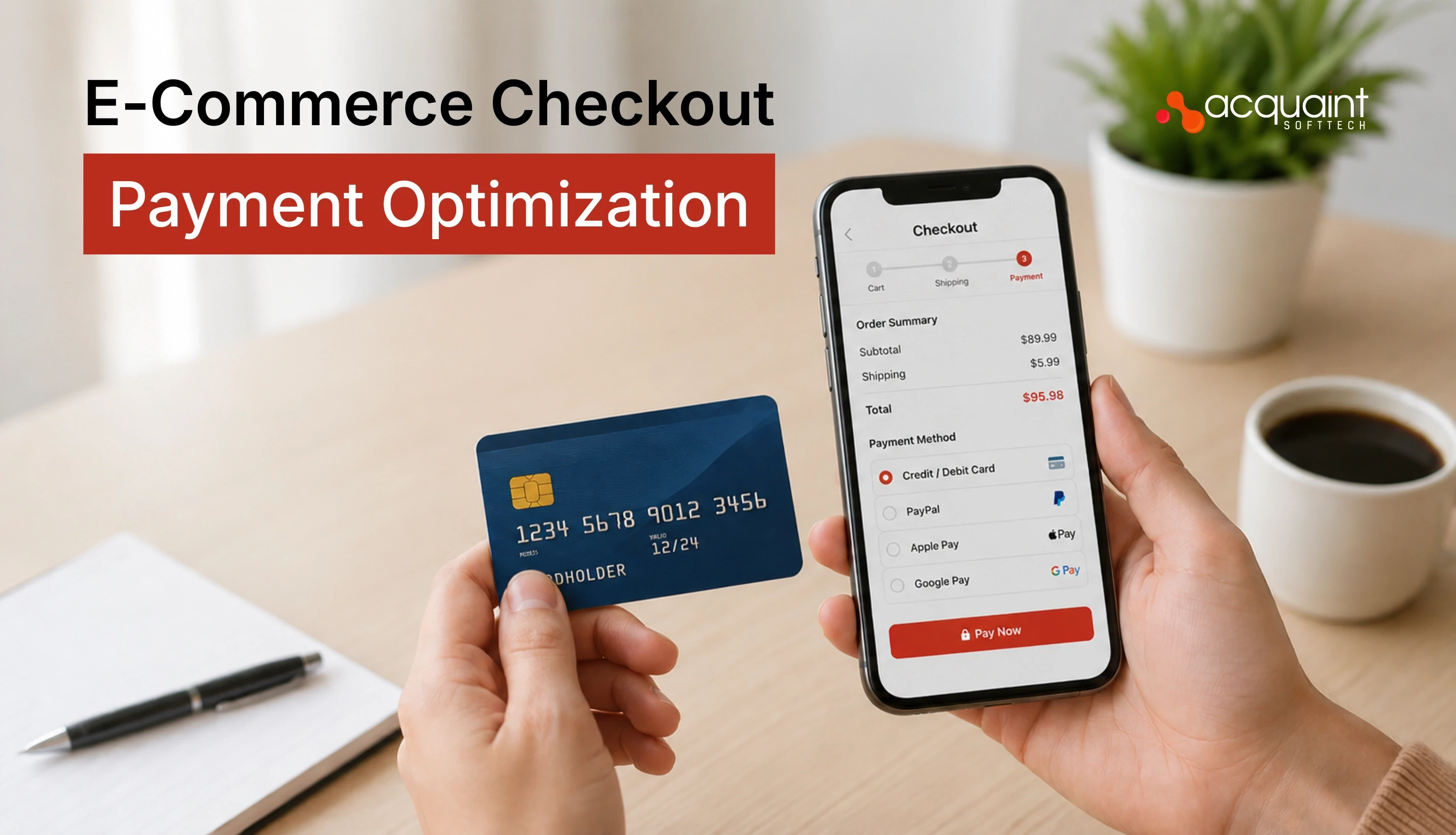
A checkout flow is not a UX project. It is an engineering system where every field, every API call, every gateway response path either recovers revenue or loses it. This article explains what conversion-optimised checkout engineering looks like in code, what it costs to build, and the 7 friction points your current checkout probably has right now.
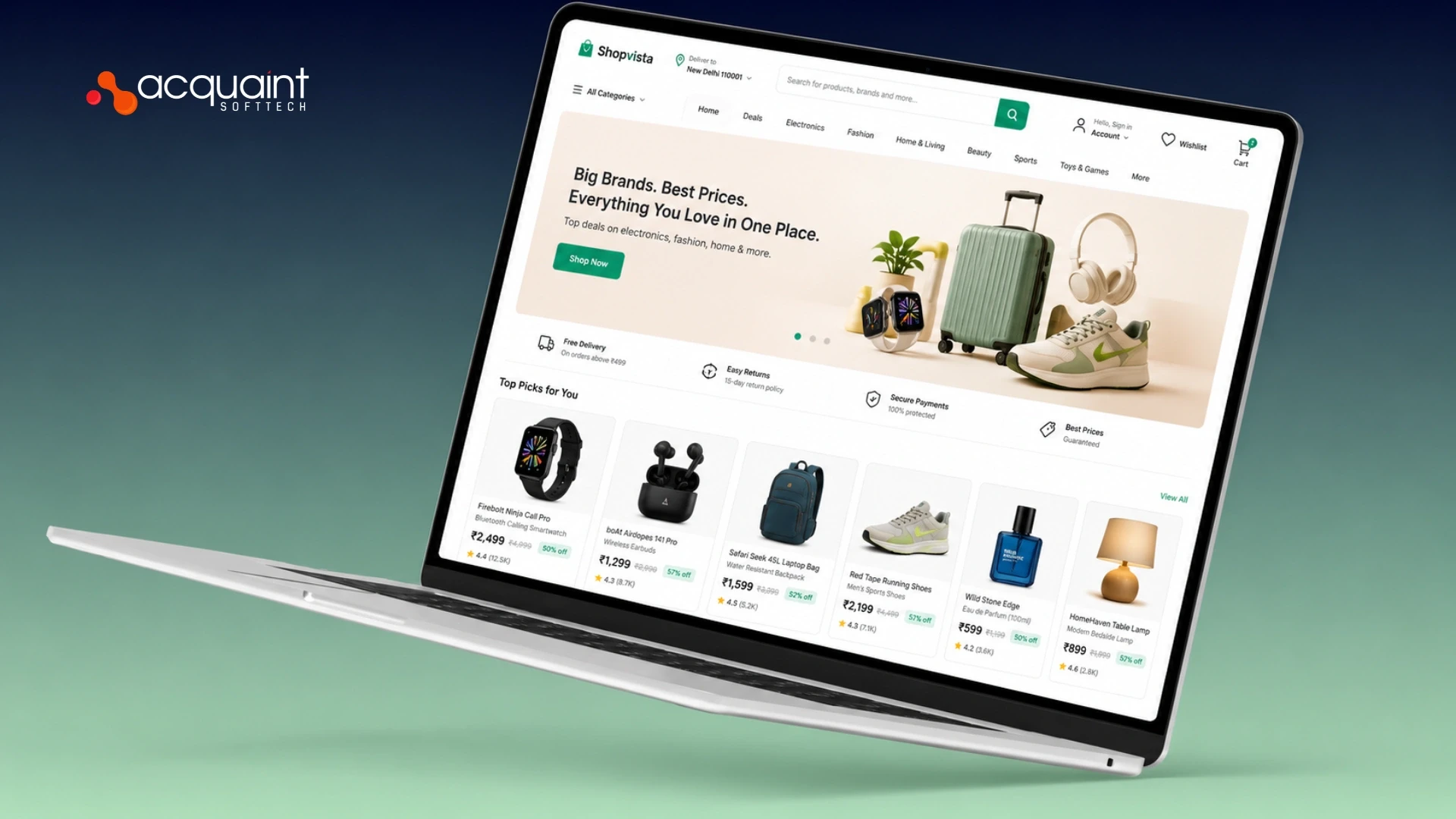
Headless commerce is not a technology upgrade. It is a structural decision that separates the commerce engine from the storefront entirely. Done right, it gives you deployment freedom, channel flexibility, and a performance ceiling that no monolithic SaaS platform can match. Done wrong, it creates distributed systems complexity that your team is not ready for. This article tells you exactly which situation you are in.
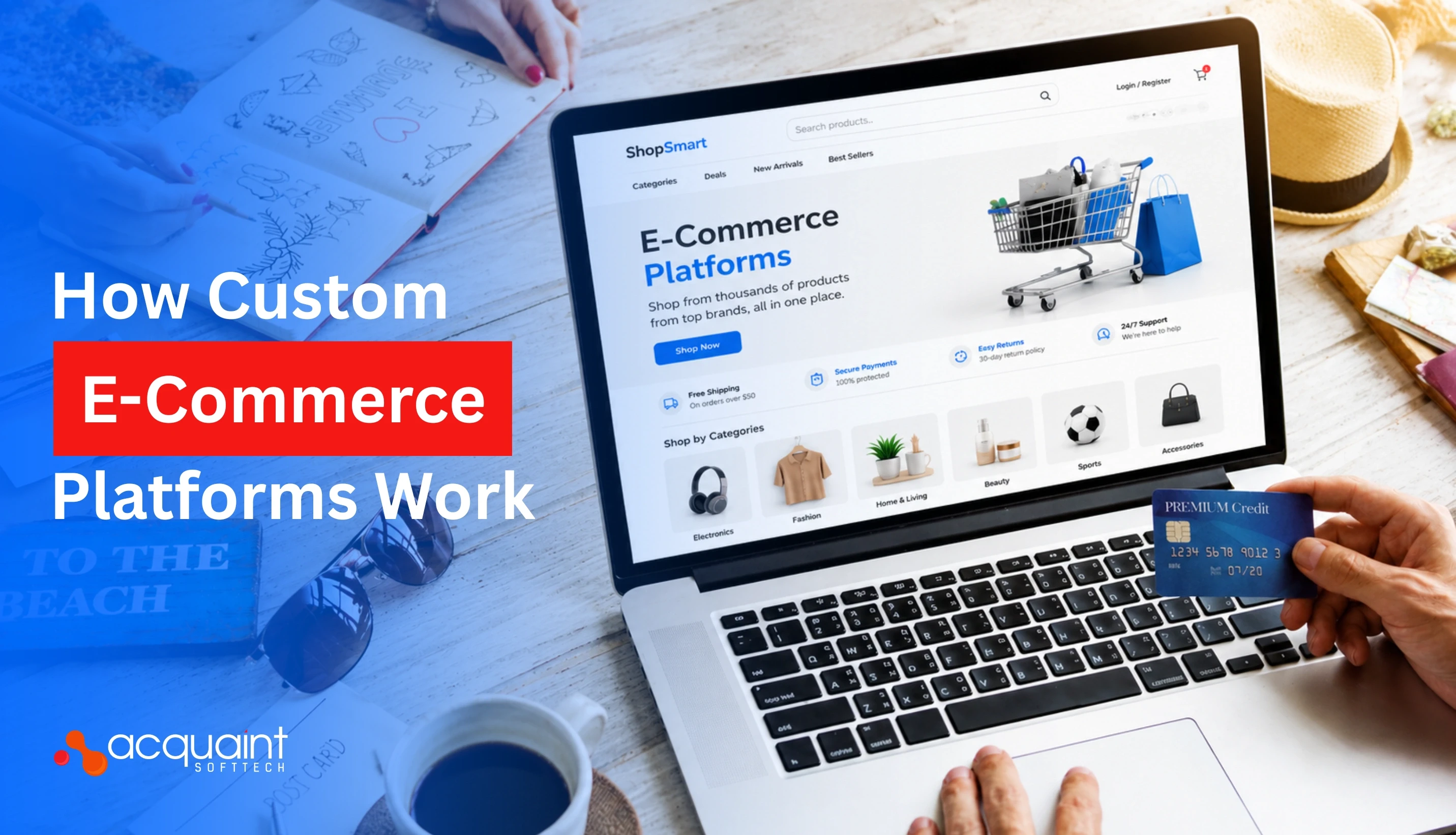
A custom e-commerce platform is not a bigger Shopify plan. It is a purpose-built commerce engine where every module answers to your business logic, not a vendor's roadmap. This article explains exactly how one is architected, what it contains, and the 5 operational signals that tell you when building your own beats, staying on SaaS.
Custom e-commerce software is not a more expensive version of Shopify. It is an entirely different accountability and ownership structure, with different economics and a different ceiling on what your platform can do. This guide explains every architecture type, every cost variable, and every decision checkpoint so you build the right thing in 2026.

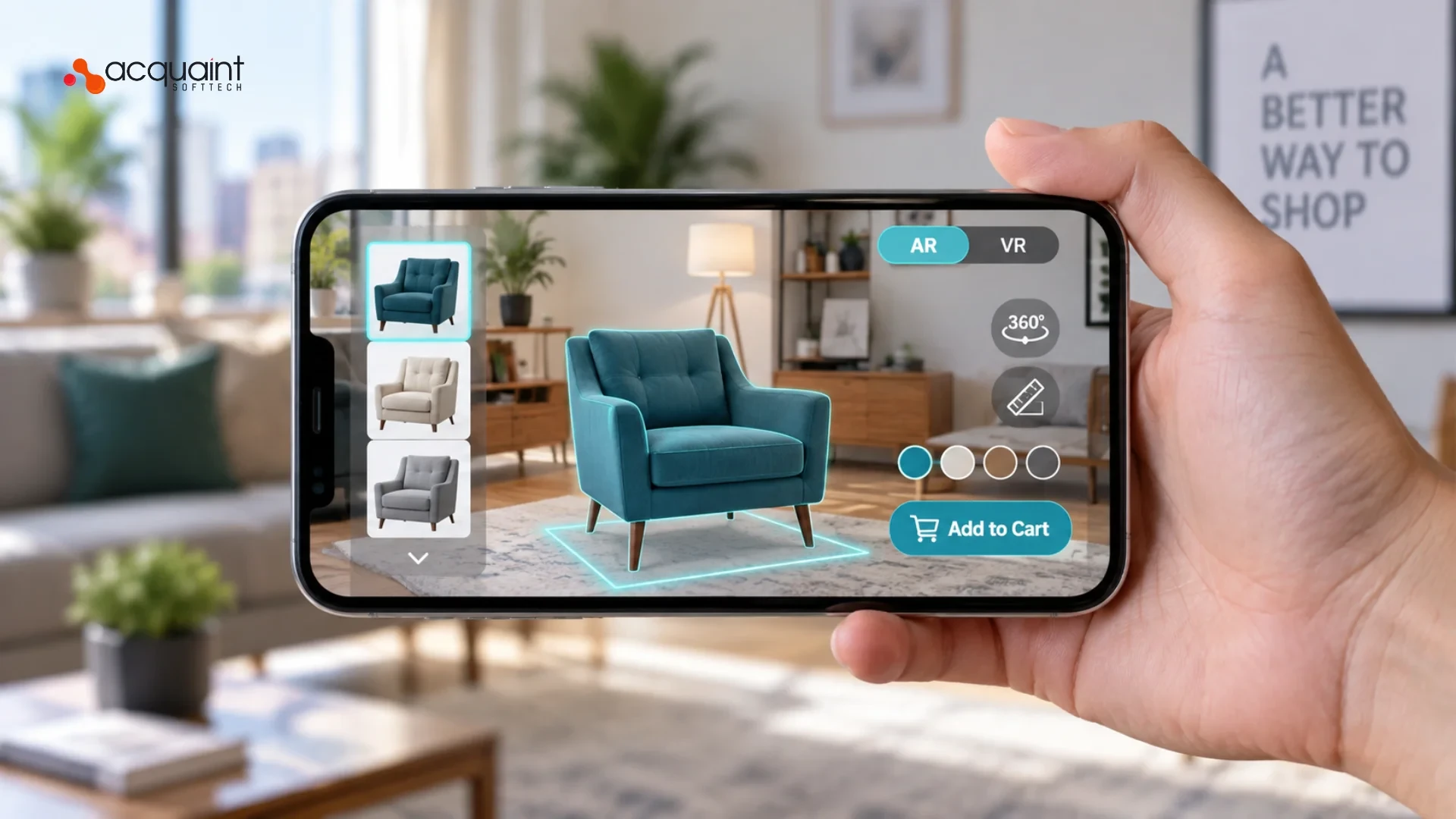
AR/VR in eCommerce lets shoppers preview products in 3D, virtually try them on, and explore immersive VR storefronts before buying. This AR VR shopping experience boosts confidence, lifts conversions, and cuts returns. Common applications include product visualisation, virtual try-on, VR-based eCommerce storefronts, and 360-degree video. To succeed, brands need realistic visuals, cross-platform support, eCommerce integration, and thorough AR/VR testing for online retail platforms. The AR and VR retail market is growing fast through the late 2020s.

Online marketplace development is the process of building a multi-vendor digital platform where third-party buyers and sellers interact, list products or services, and complete transactions. To build one, define your niche, solve the chicken-and-egg problem by acquiring sellers first, choose your technology (turnkey or custom), integrate secure split payments, then test and launch. Popular examples include Amazon, eBay, and Etsy.
Before developing a shopping app, evaluate seven core factors: target audience needs, intuitive UI/UX design, a frictionless checkout flow, robust data security, clear product navigation, strategic push notifications, and post-purchase order tracking. Get these right, and you turn browsers into buyers. In 2026, most retailers also weigh whether a native app or a Progressive Web App (PWA) fits best, since a PWA runs fast on all devices from a single codebase.

.webp "Headless Commerce Explained: Decoupled Architecture for Modern E-Commerce Development")
.webp "The Complete Guide to E-Commerce & D2C Software Development in 2026")
.webp "An Ultimate Guide To Develop Your Own Online Marketplace")
.webp "7 Things to Consider Before Creating a Mobile Shopping App (2026 Guide)")