
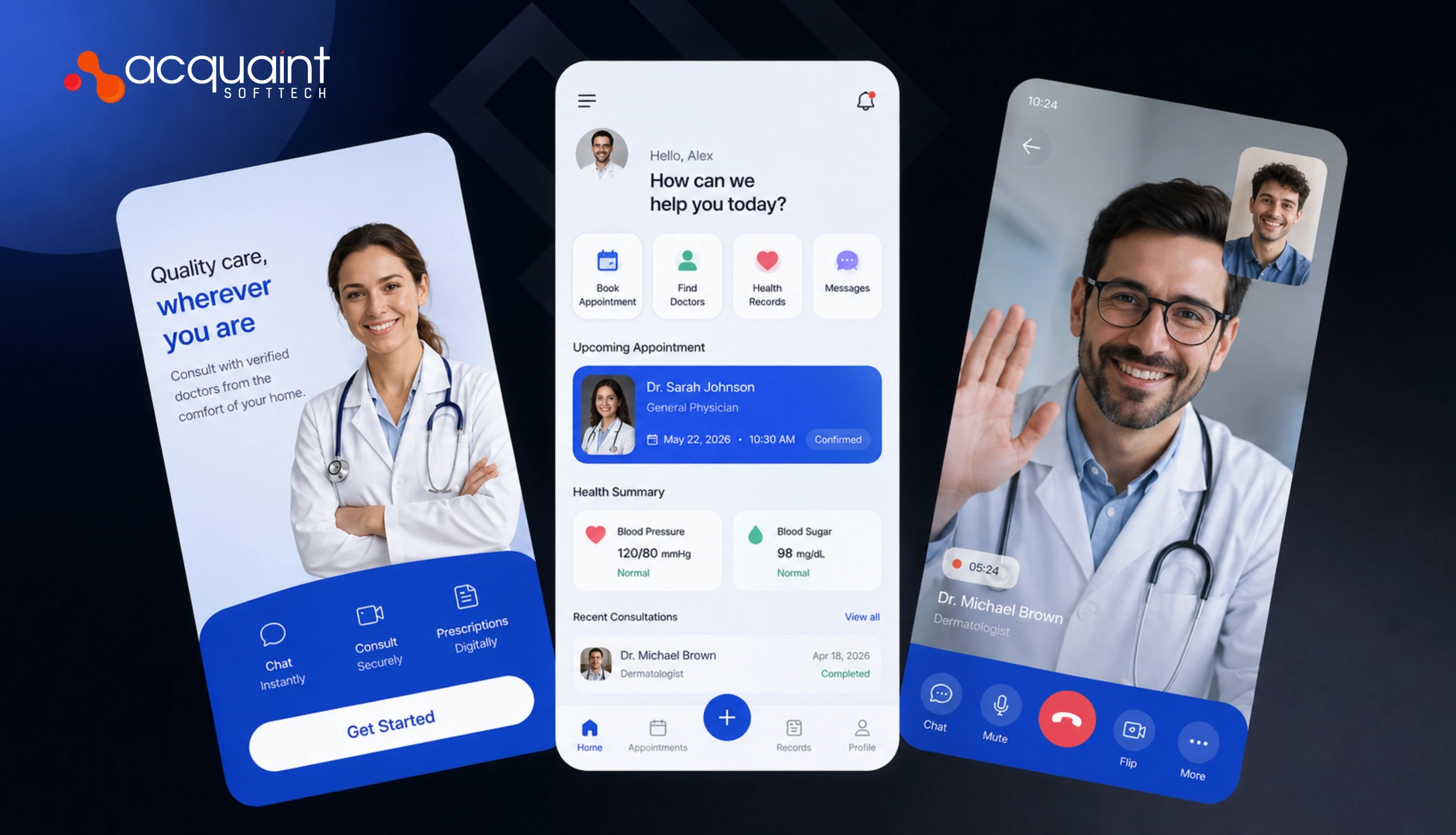
A telemedicine app is not a video call with a medical logo. It is a distributed system that moves protected health information between four environments in under 200 milliseconds while staying inside HIPAA boundaries. Here is exactly how it works, layer by layer, with the tech stack, the data flow, and the numbers that matter.

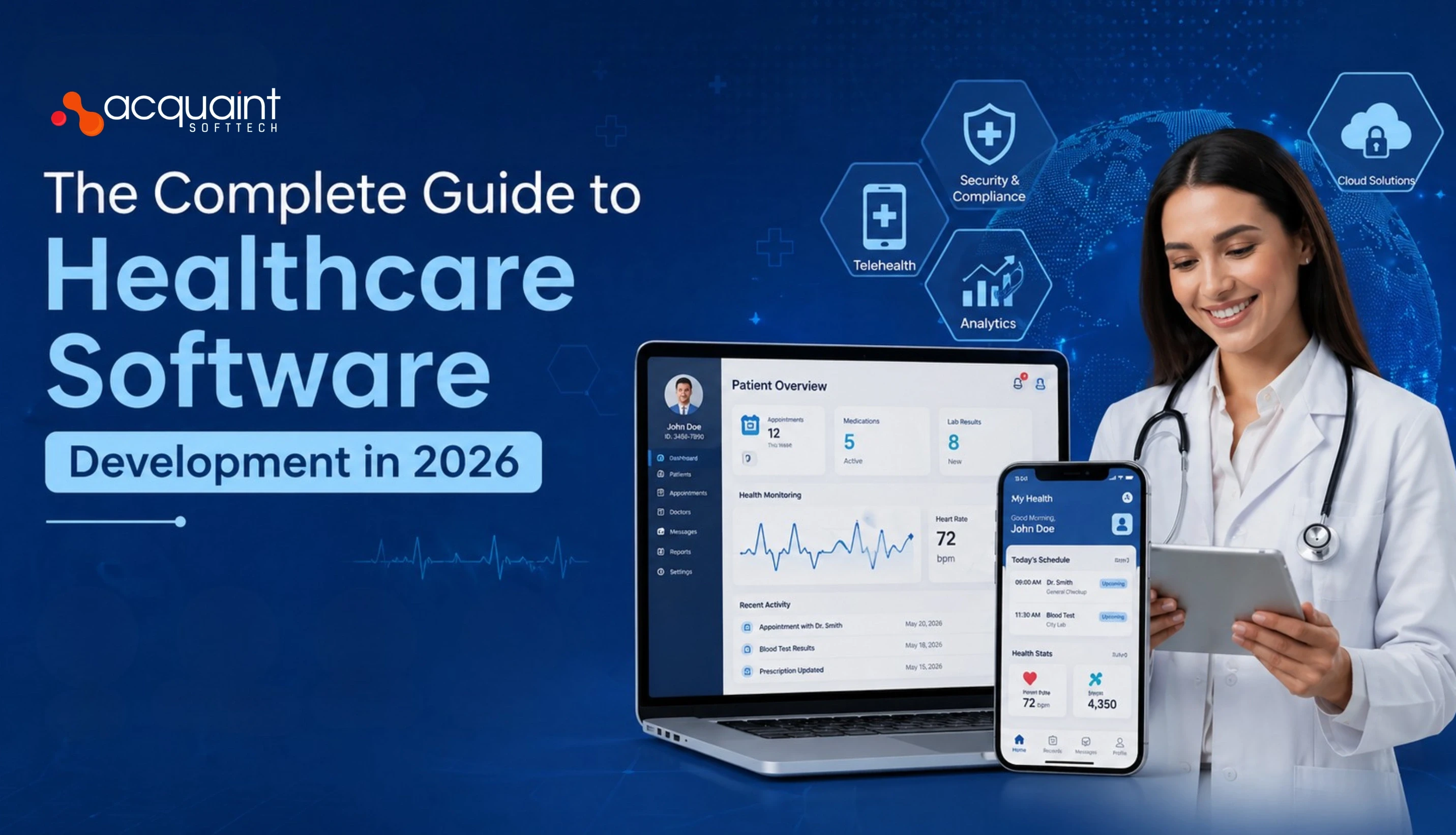
Healthcare software development in 2026 is not a single discipline. It is six distinct product categories, each with its own compliance perimeter, integration burden, and cost curve.

Healthcare IT staff augmentation bridges skill gaps and reduces workloads by hiring remote developers. This strategy enhances IT capabilities, ensuring smooth implementation and management of advanced technologies in healthcare organizations.

Explore medical apps and websites in healthcare tech. Check out how the aim of both platforms is the same but different in their functionalities.
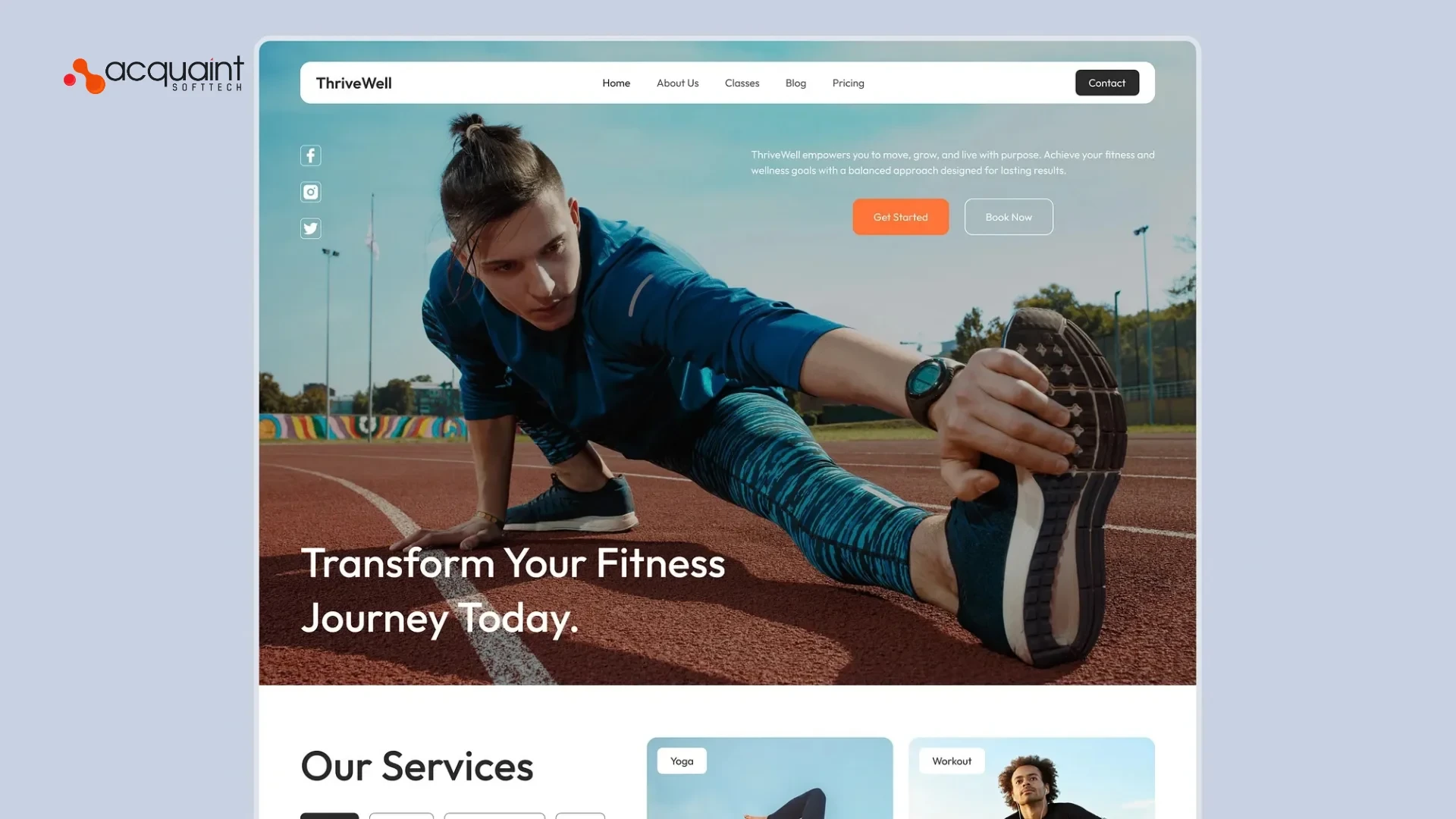
To build a health and fitness website, choose a memorable domain, pick a fast, responsive theme, add the key pages (home, about, services, blog, contact) and features (login, programs, nutrition, payments, tracking tools), plan SEO content, and hire an experienced developer. Good web design for health and fitness builds credibility, grows your audience, and sells programs online. A basic fitness website costs 2,000 to 4,000 USD; advanced builds run 15,000 to 25,000 USD and up.
The future of EMR is AI-driven, cloud-based, mobile-first, and interoperable. Key EMR trends for 2026 include AI for diagnosis and automation, mobile health records, cloud storage, and deep integration with patient portals, billing, and lab systems. A modern EMR improves data access, patient experience, and quality of care while cutting costs and risk. To build EMR solutions for medical practices, use a secure stack (Laravel, AWS), meet HIPAA compliance, and start with an MVP.



.webp "The Future of EMR: Trends and How to Build an EMR Solution")