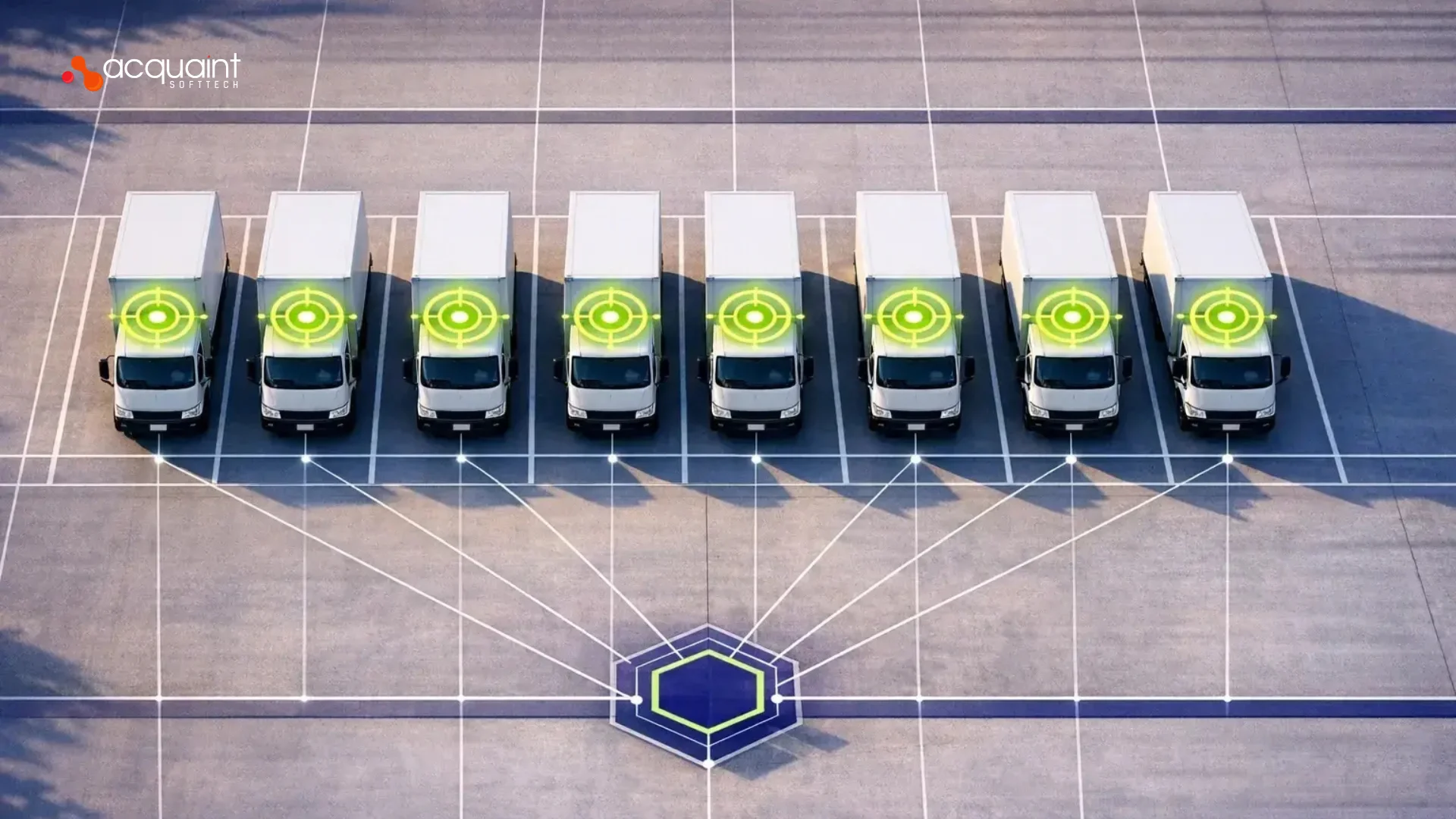
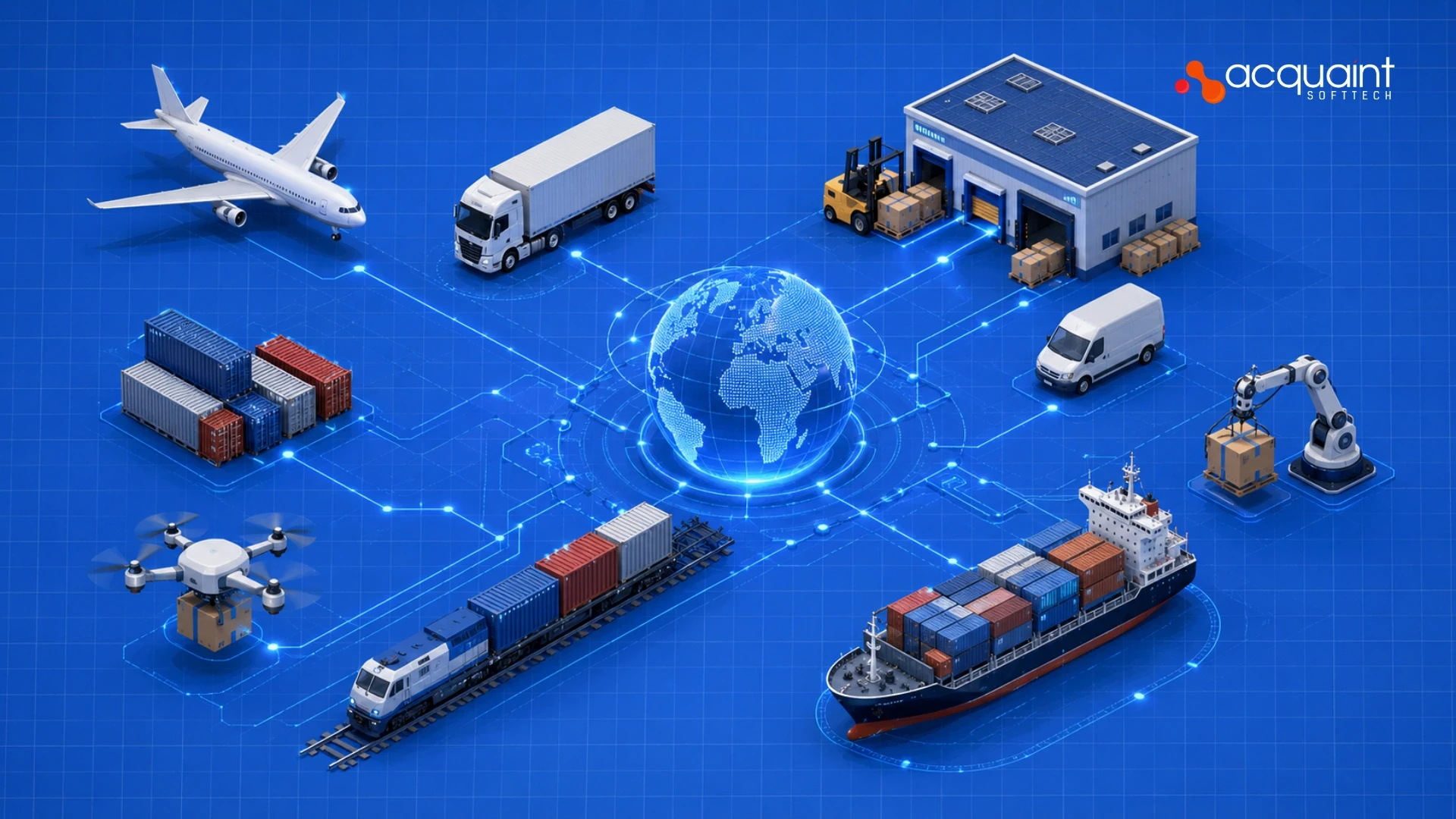
Multi-tenant fleet management SaaS is a software architecture where a single, shared instance of an application serves multiple distinct transport or logistics companies (tenants) while strictly isolating their data, branding, and configurations. One platform runs many independent fleets at once, so you onboard a new operator by provisioning a tenant, not by standing up new software.

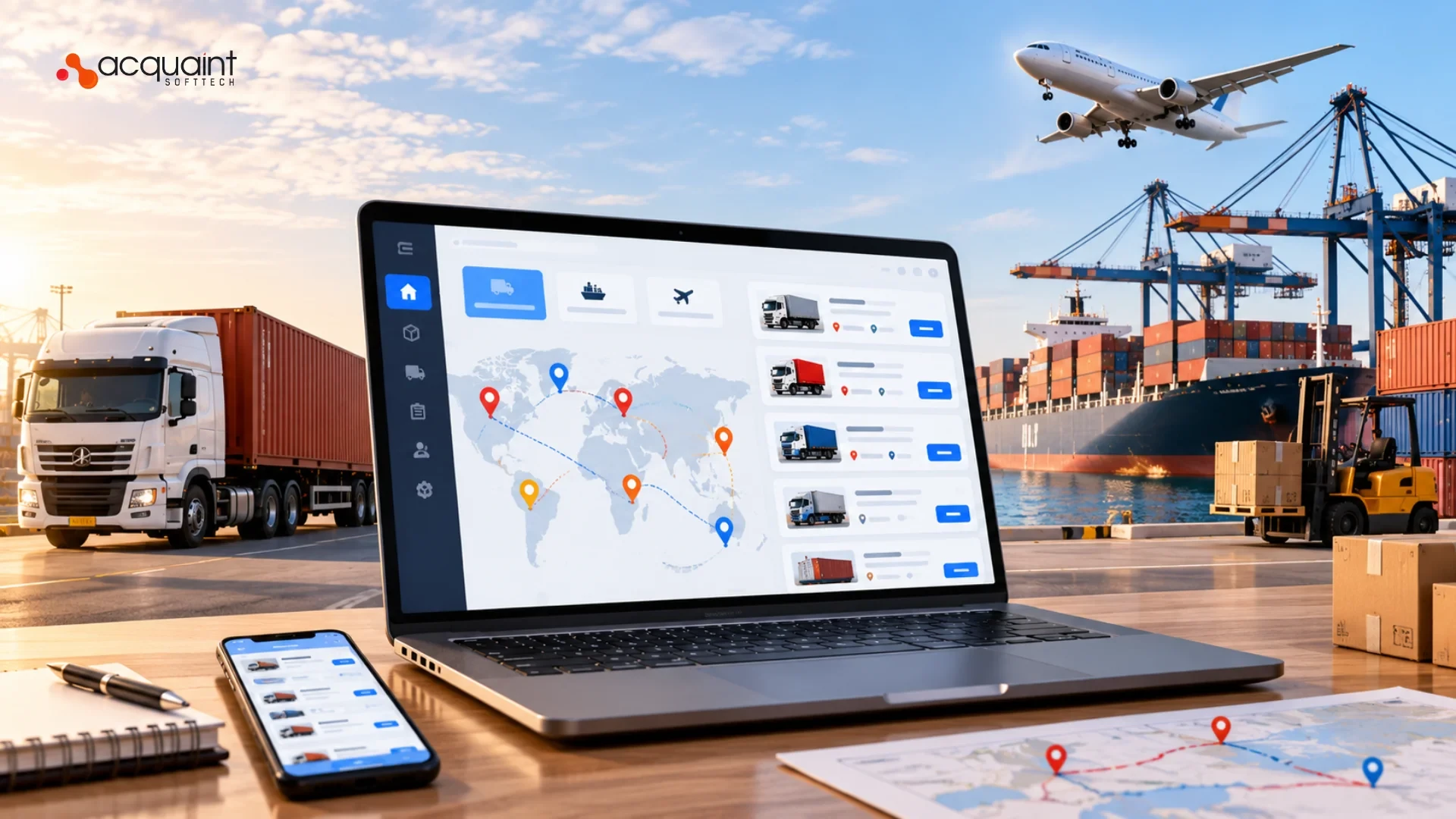
A digital freight marketplace platform directly connects shippers who need cargo moved with carriers and freight forwarders who have transport capacity. It replaces phone calls and spreadsheets with load posting, automated matching, live tracking, and digital payments, so a load finds the right truck in minutes instead of days.
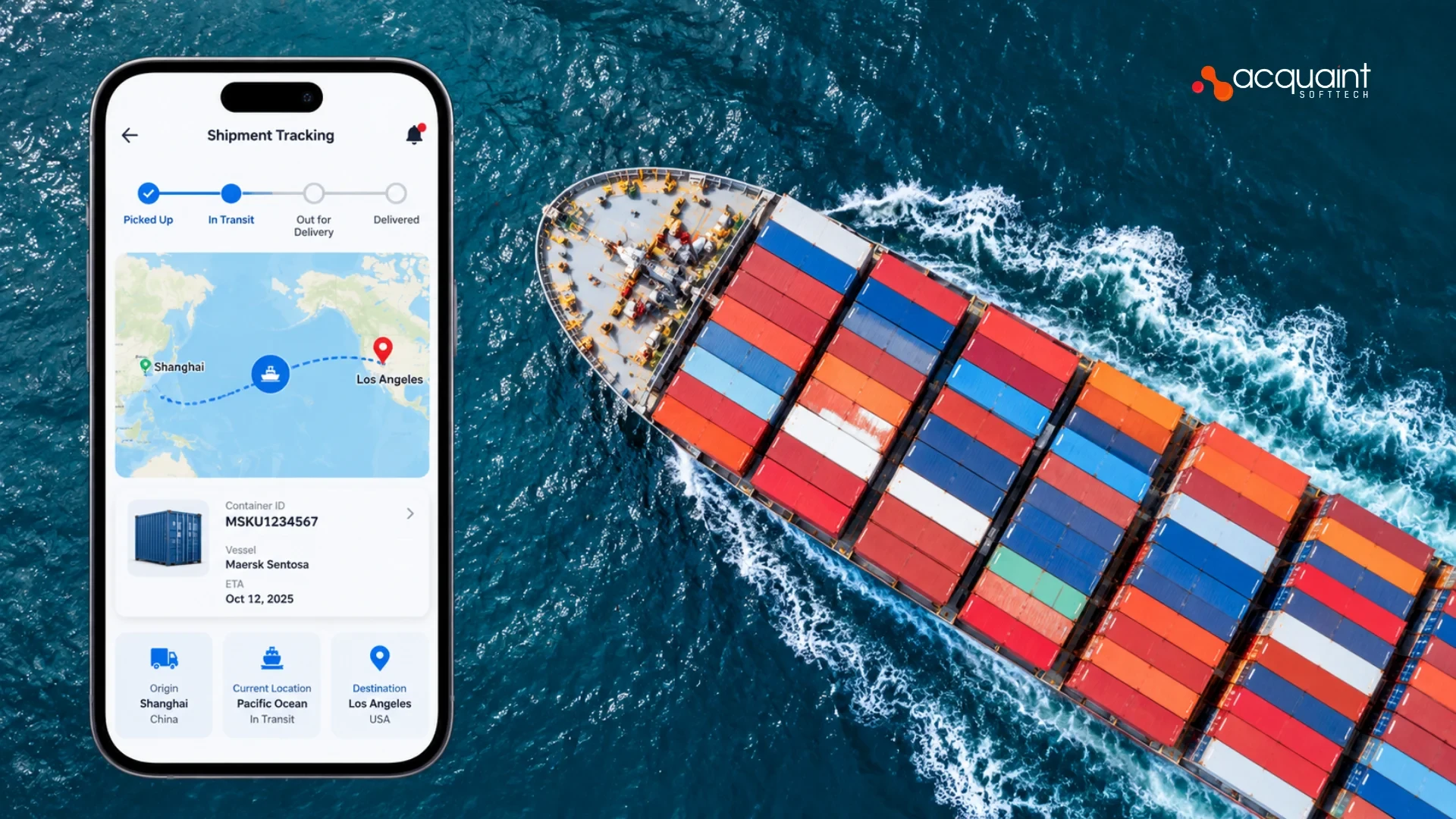
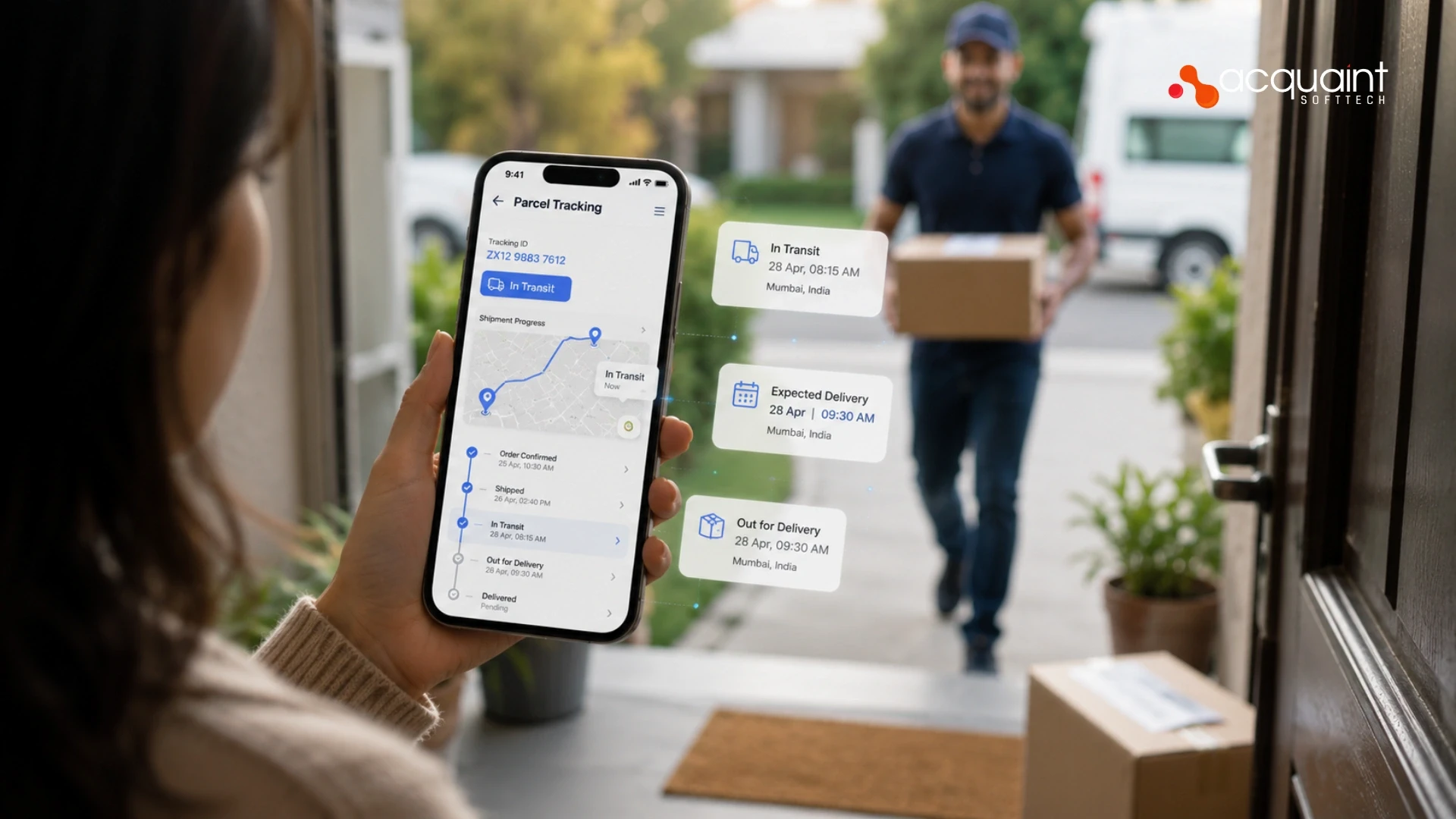
A real-time shipment tracking system uses GPS, IoT sensors, and cloud software to monitor the exact location and status of goods live across the supply chain. It pulls carrier and device data into one platform, predicts arrival with live traffic and weather, flags exceptions the moment they happen, and pushes automated updates to operators and customers.

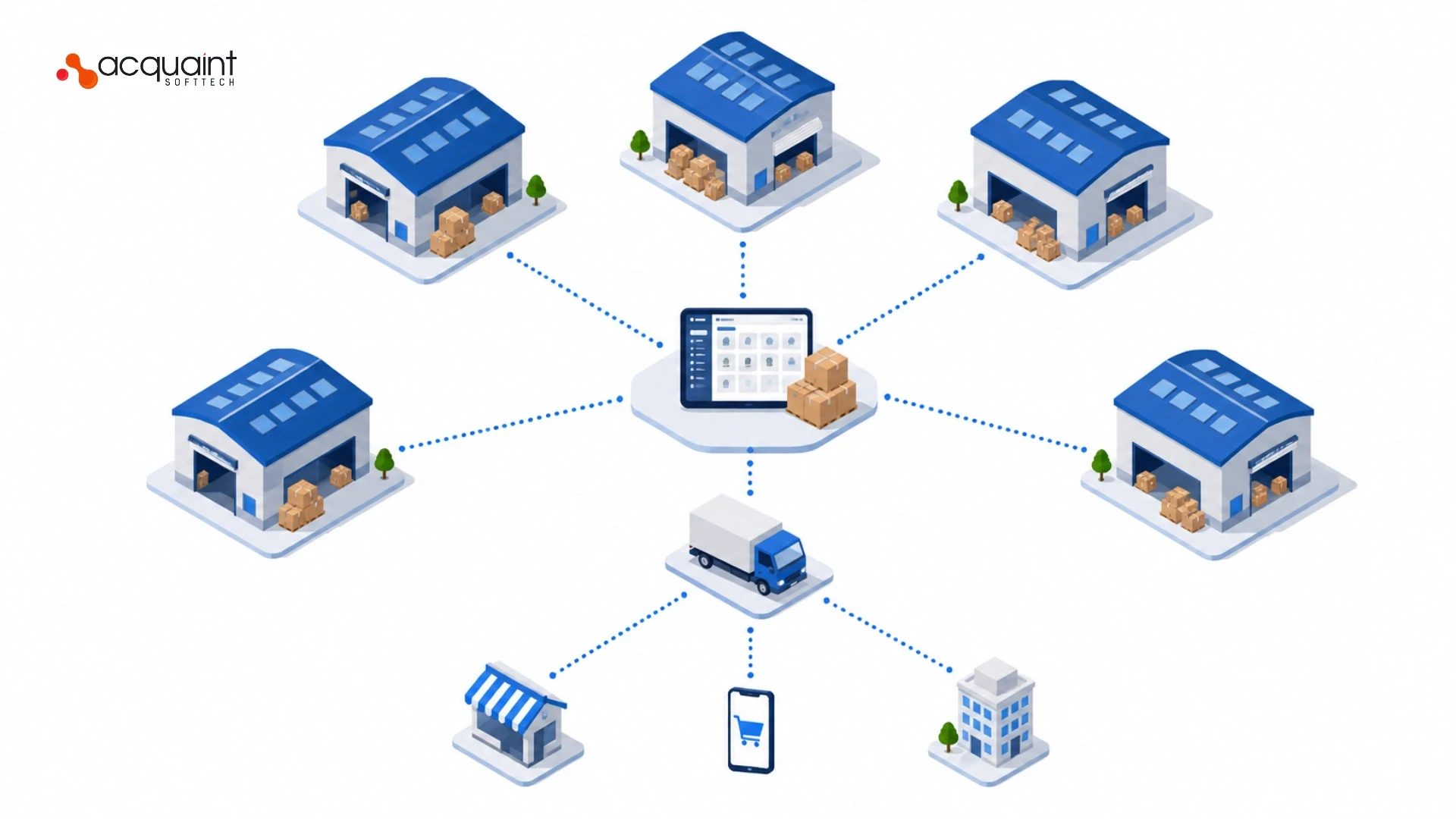
A multi-warehouse inventory management system is a centralized digital platform that tracks stock levels, orders, and movements across several storage facilities in real time. It gives you one accurate view of every SKU in every location, then routes each order, transfer, and reorder from that single source of truth, so you sell what you actually have and ship from the site closest to the customer.
A distributed order management (DOM) system routes orders to the best fulfillment location based on real-time inventory, shipping cost, customer proximity, and delivery commitments. It optimizes order routing, reduces shipping costs, speeds up delivery, and helps prevent overselling and order cancellations.
Acquaint Softtech develops logistics software including WMS, TMS, OMS, fleet, and last-mile solutions. With 13+ years of experience and 1,300+ projects, it delivers scalable solutions using Laravel, Python, and React.

Logistics technology is shifting toward AI-powered, self-healing supply chains with real-time automation and decision-making. Key trends include agentic AI, digital twins, IoT, blockchain, and autonomous systems built on connected data.

To build a logistics tech startup, validate the idea with real users first, scope a lean MVP around one painful workflow, pick a scalable stack, and launch in 3 to 6 months before spending on extras. A focused MVP costs roughly $40,000 to $60,000 and survives far better than a year-long build that nobody asked for.

An order management system (OMS) works by managing the full life of an order, from the moment a customer buys to the moment the parcel arrives, across every sales channel. It captures and validates each order, reserves inventory, decides which location should fulfill it through routing rules, releases it to the warehouse, and tracks it to delivery and returns. The OMS is the control layer that keeps online, marketplace, and in-store orders synchronized against one real-time view of stock.