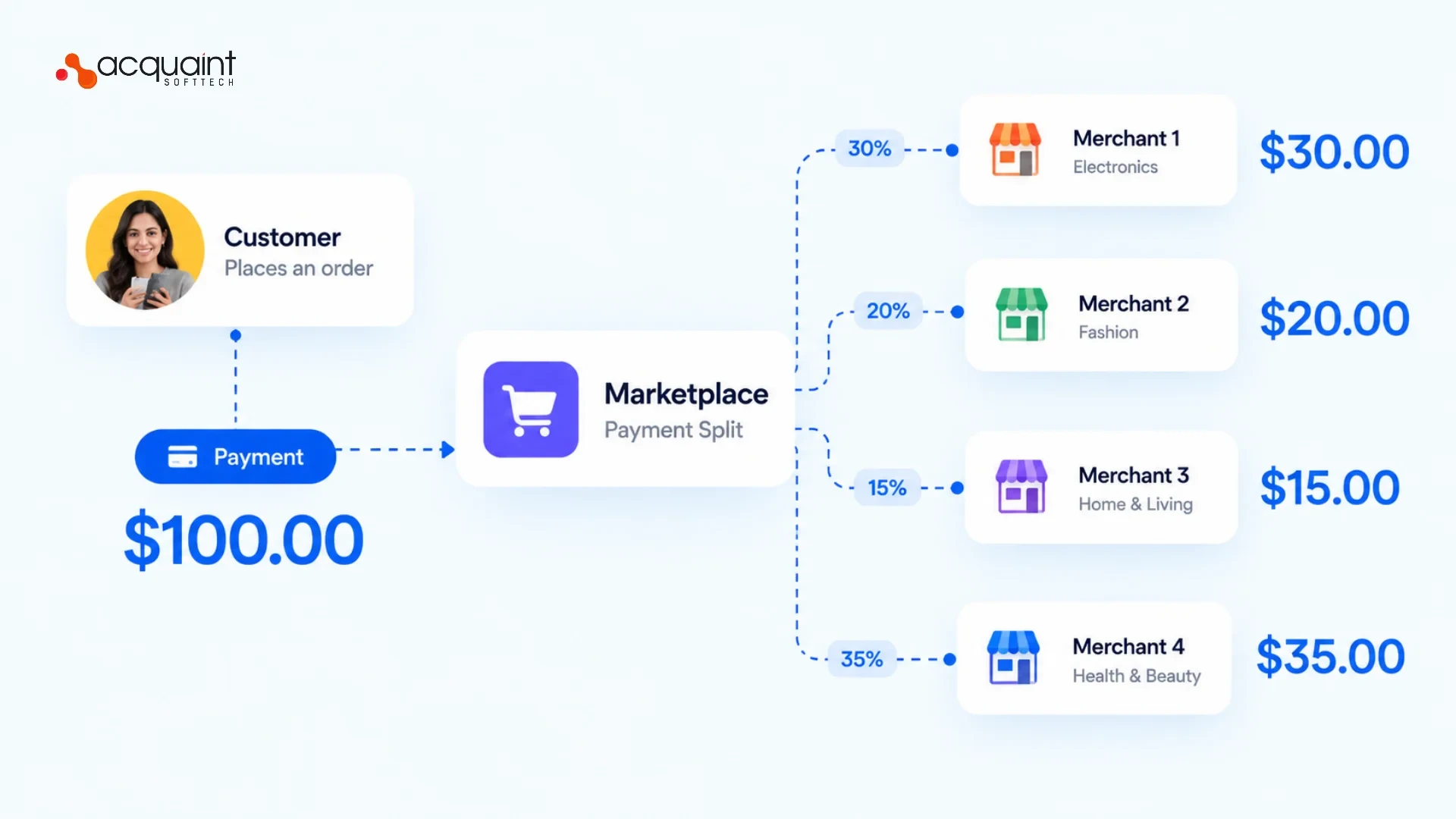
Building a payment split and marketplace payout system means taking one customer payment and dividing it across multiple sellers while automatically deducting platform commission, handling compliance, and scheduling disbursements. A marketplace payment system needs four main parts: a payment gateway, seller KYC, a fee-splitting engine, and a ledger to track transactions. The payment is captured, the platform fee is deducted, funds are held for refunds or disputes, and the remaining amount is paid to sellers through ACH or SEPA.

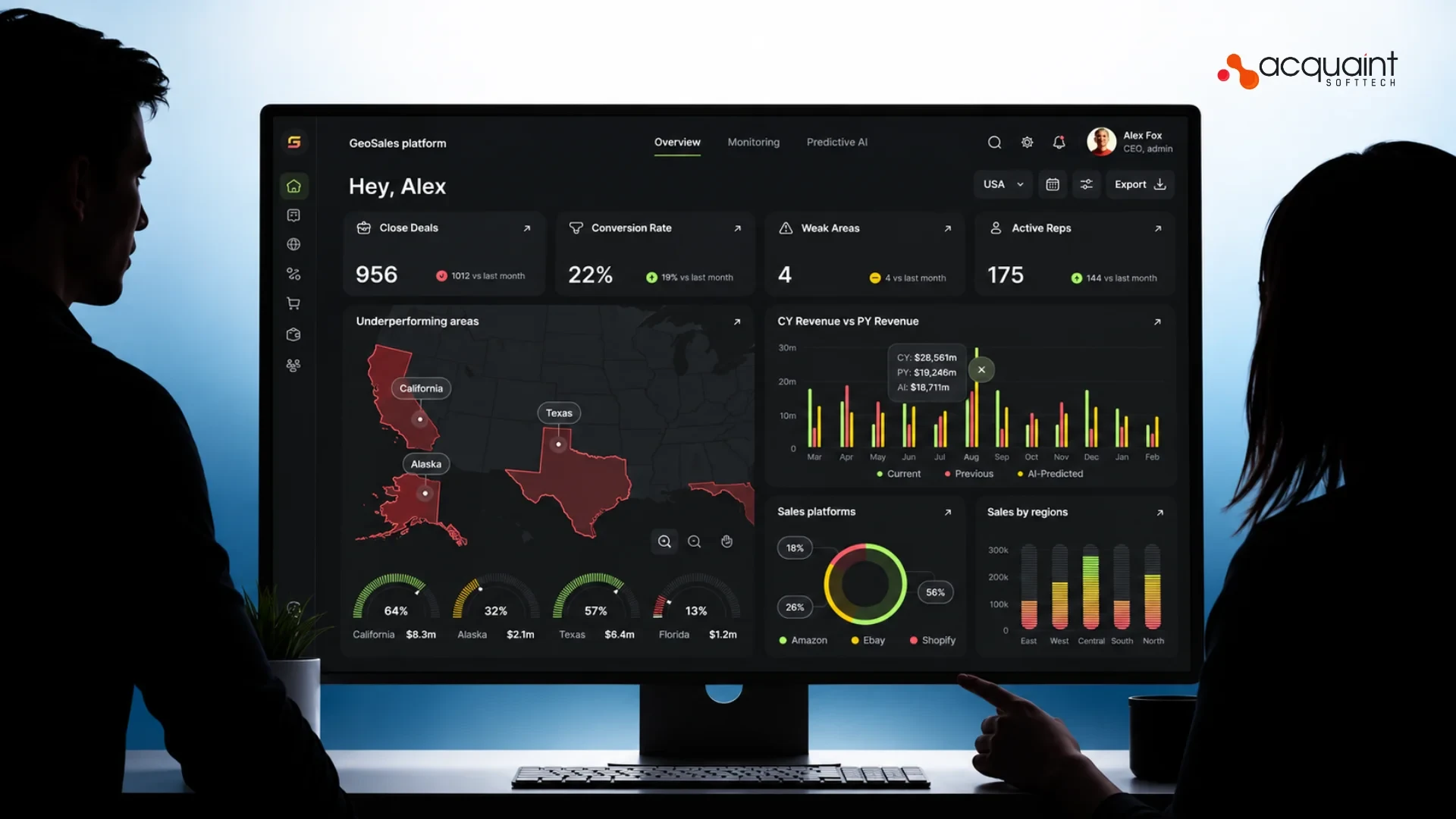
A merchant payment dashboard gives business users a centralized interface to monitor real-time transactions, track revenue, handle refunds, and manage payouts. It centralizes financial operations by tracking real-time payment flows, monitoring settlement batches, and automating dispute lifecycles. Building a robust platform requires a clean information architecture, idempotent event ingestion, and explicit state tracking across the transaction, cash, and risk data layers.

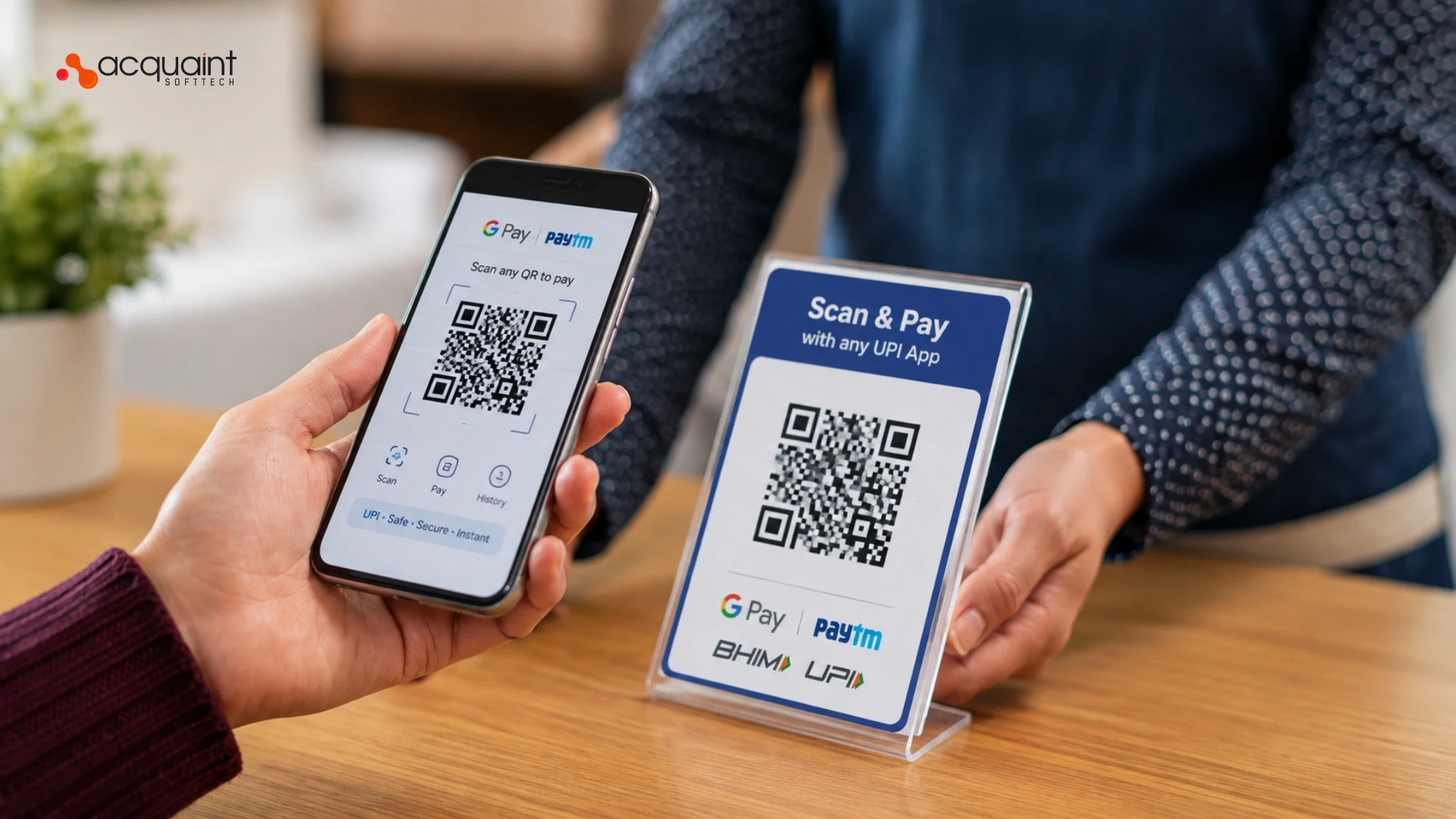
QR code payment system development involves creating a secure software architecture where a user scans a code with a smartphone to transfer funds. It needs four core parts working together: a customer scanner app or web interface, a merchant portal for transactions and code generation, a payment gateway and API to route money between banks or wallets, and a real-time database and ledger, all built to financial data security standards.

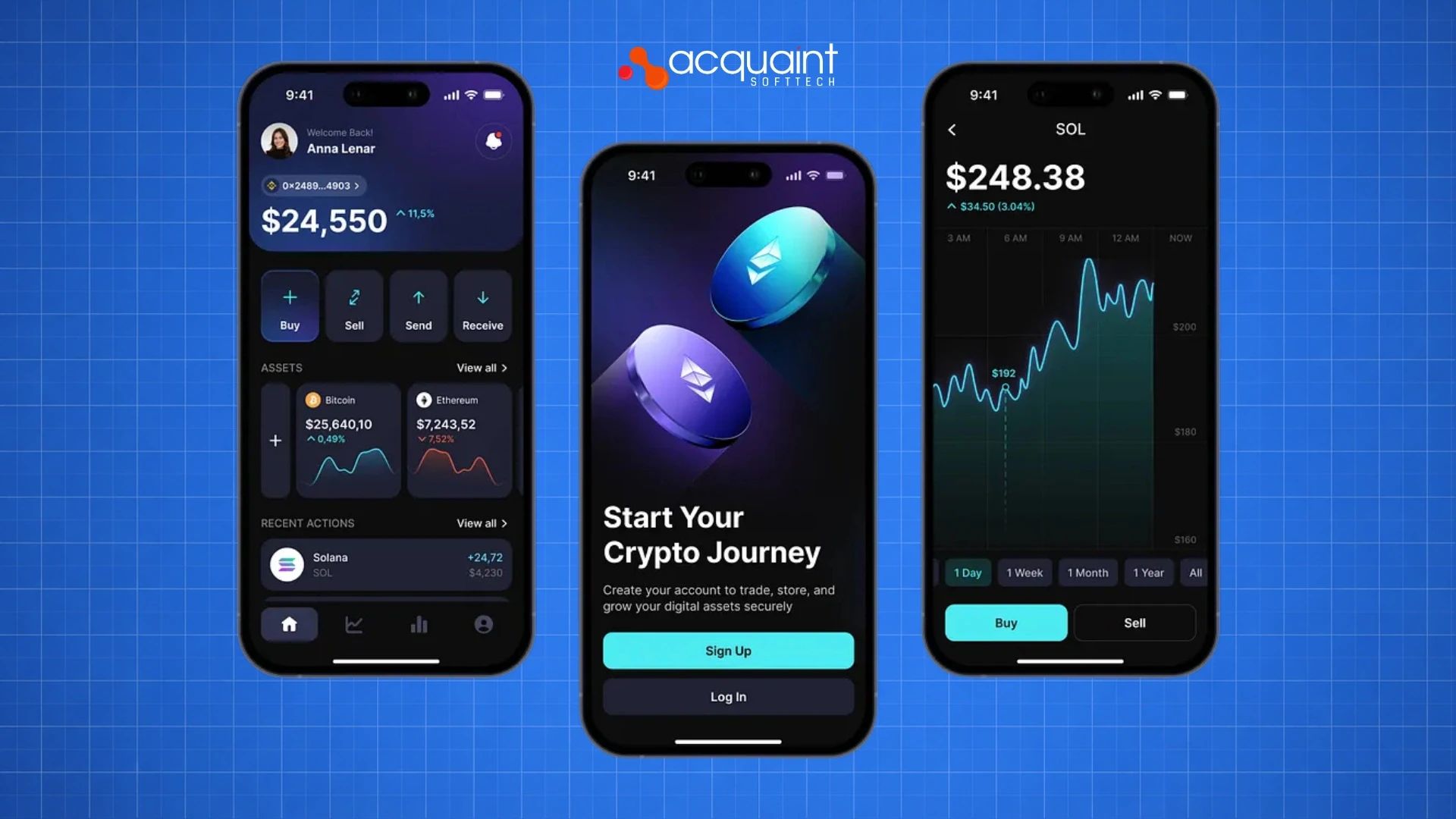
Building a digital wallet app requires defining your core use case (such as peer-to-peer transfers, retail QR payments, or crypto), complying with local financial regulations, building secure backend ledgers, and designing smooth mobile frontends. Building a payment app requires planning, compliance, secure technology, payment integrations, strong security, testing, and final launch.

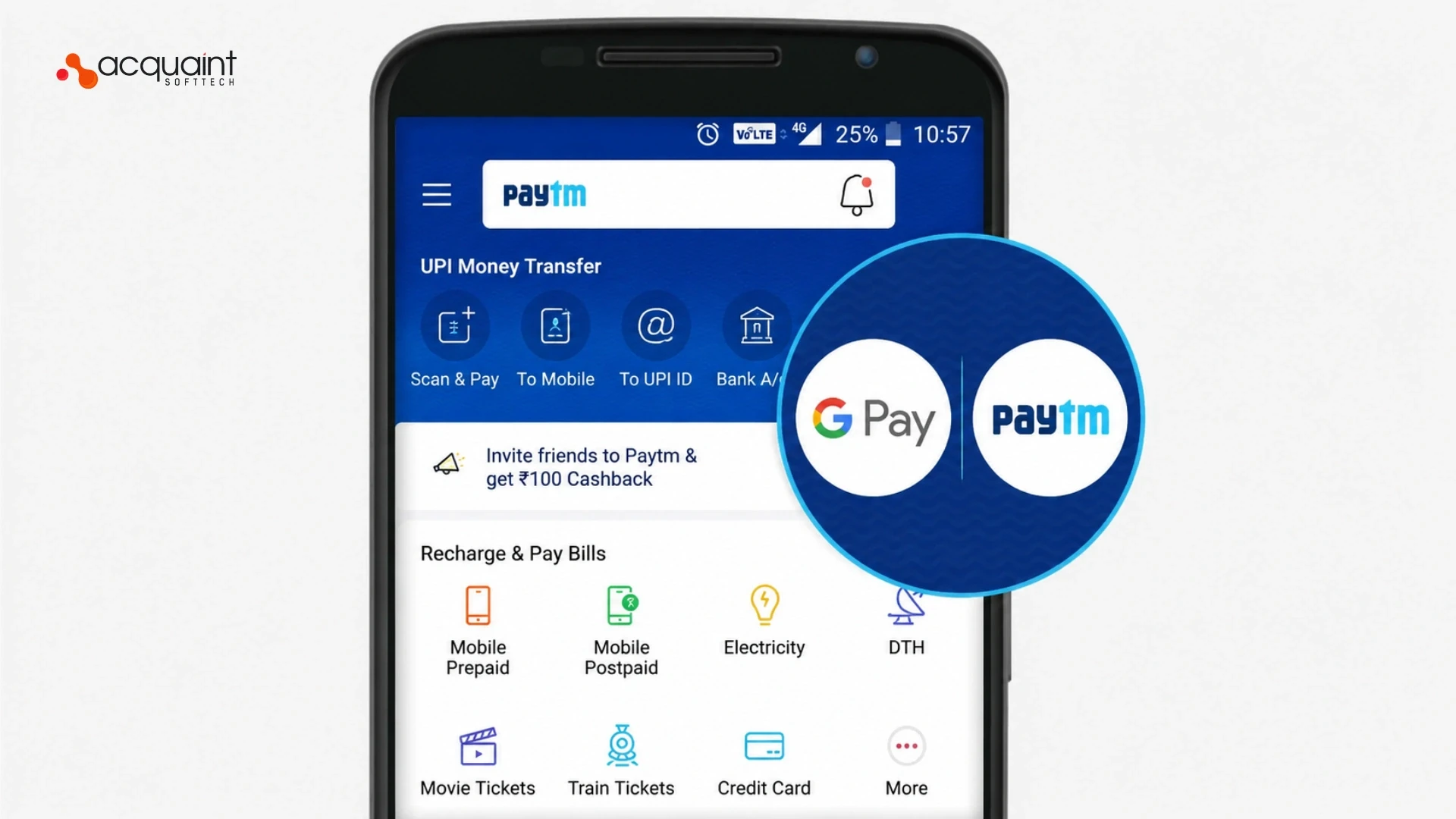
UPI payment integration requires choosing between a direct bank or NPCI tie-up (for large consumer apps) or using a licensed payment gateway or aggregator. Most developers use intent or collect APIs via an aggregator. UPI integration uses Intent Flow for quick app-based payments, Collect/VPA for UPI IDs, and AutoPay for recurring payments. Implementation involves KYC and gateway setup, backend order creation, payment triggering, and secure webhook-based payment verification.
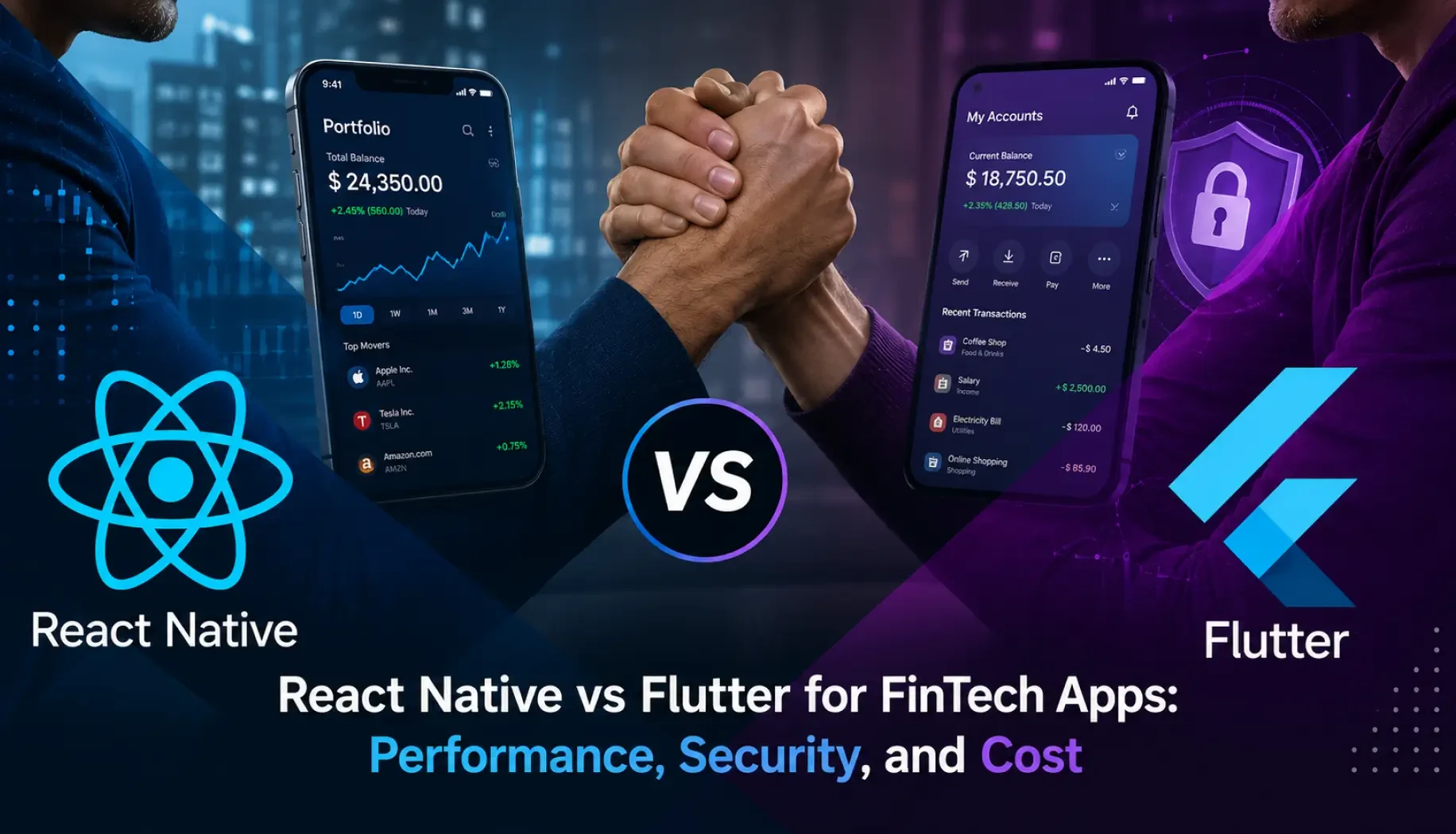
For fintech apps in 2026, both Flutter and React Native are strong choices. Flutter is better for performance and security, making it ideal for apps with real-time charts and sensitive data. React Native is better for faster development, easier hiring, and large-scale team growth due to its bigger developer ecosystem.
Stripe Connect for SaaS payments lets users connect their Stripe accounts so you can process payments and take a platform fee. It includes onboarding connected accounts, routing payments, handling webhooks, and ensuring accounts are verified. Most SaaS platforms use Standard or Express accounts for faster, compliant setup.
End-to-end fintech product development covers everything from idea validation to launching a compliant fintech product. It includes MVP development, security, and regulatory compliance from day one.

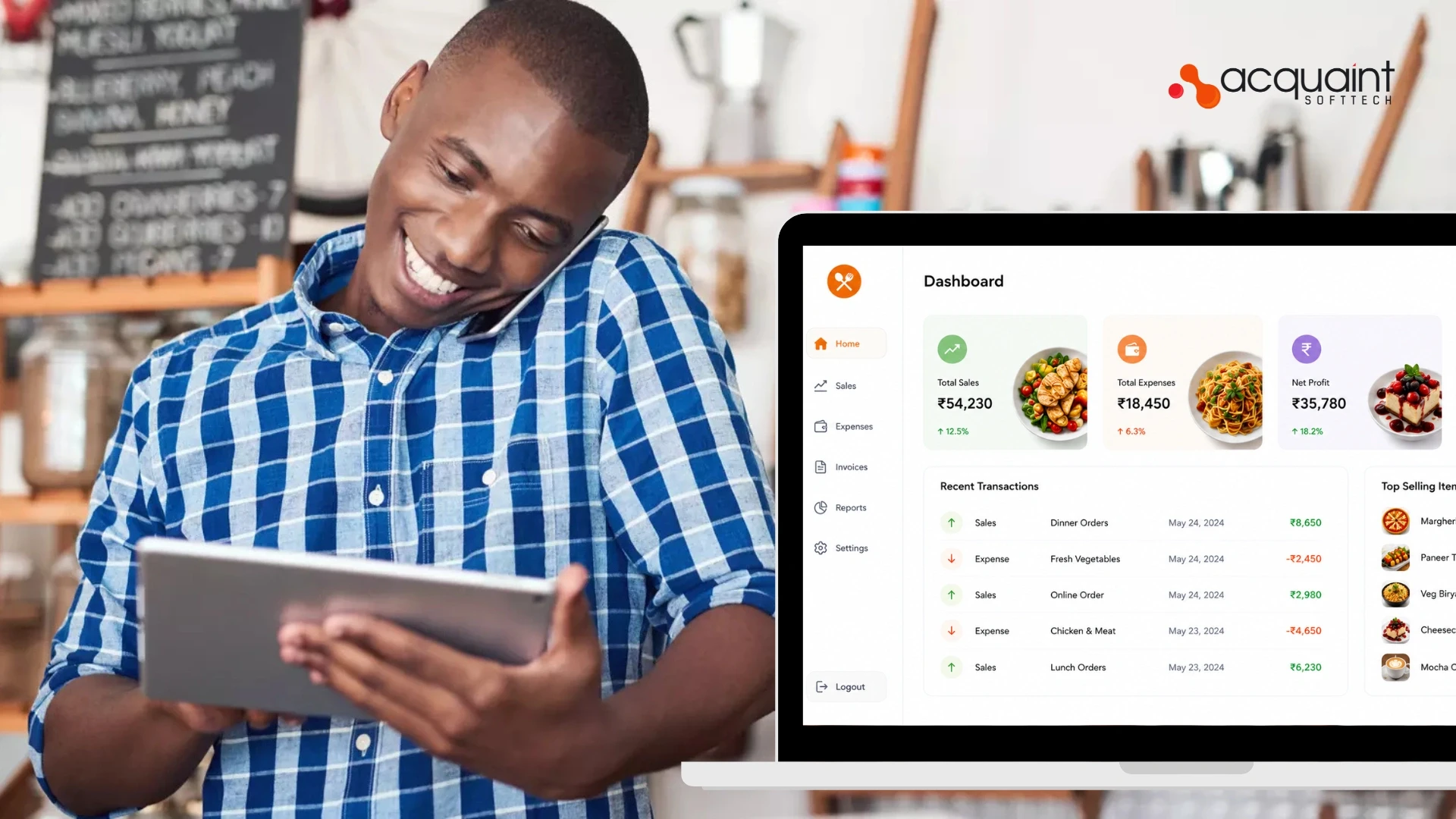
Cloud accounting software helps businesses manage invoicing, bookkeeping, taxes, and finances online with real-time data. Modern platforms also support bank feeds, auto-reconciliation, and tax compliance.